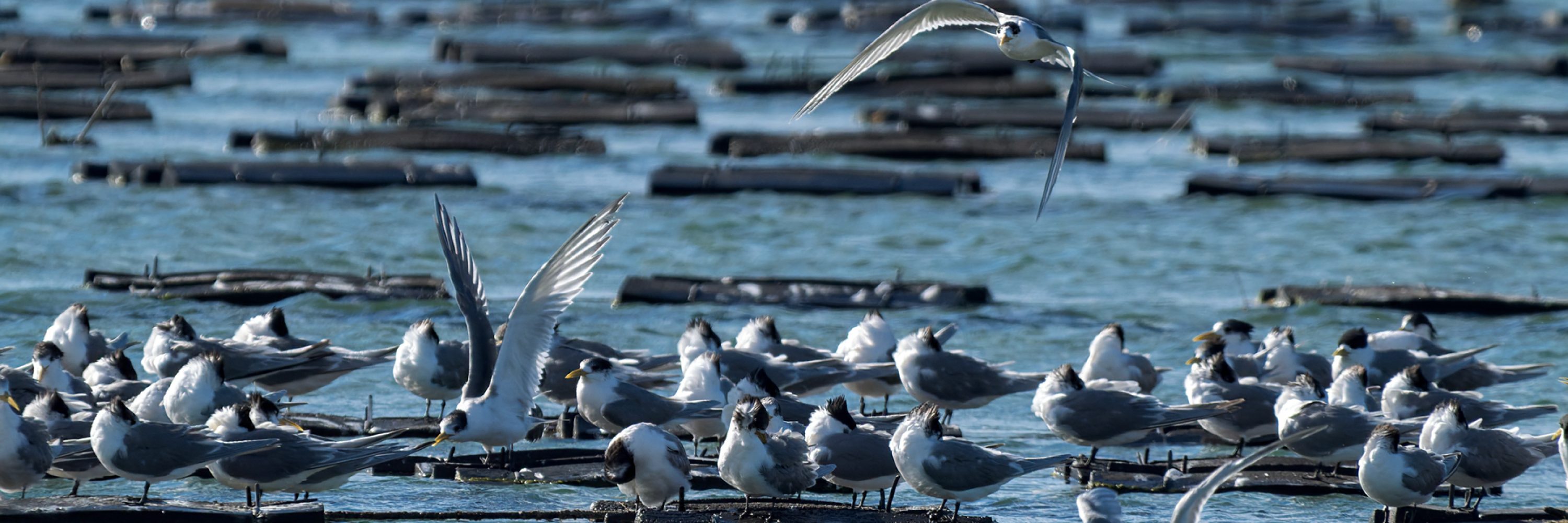
H5 bird flu arrived in Australia in June 2026, initially via isolated cases of infected seabirds making landfall on the Australian mainland. In July 2026 local transmission of the virus was confirmed in Greater Crested Terns. To date this species has suffered the greatest losses and been a primary driver
In late May this year, the birding world was made poorer by the loss of Alan Keith Morris, husband, father, friend, and bird mentor. Alan was often referred to as “Mr NSW” because of his intricate knowledge of birds in NSW, both past and present. But to many birders, Alan
A season of increased migration and nesting As weather starts to warm or dry across the country and plants begin to flower, we see enormous amounts of activity from our wildlife. Birds in particular are taking the opportunity to eat the sweet nectar of blossoming flowers, nibble on insects, and
Winter birding in Australia Complex and diverse responses to changes in the weather and food availability As a large continent, Australia has multitudes of different habitats and climates. Whilst much of Australia becomes cooler over the winter period, this is not uniform across Australia. For over 65,000 years, Indigenous Australians
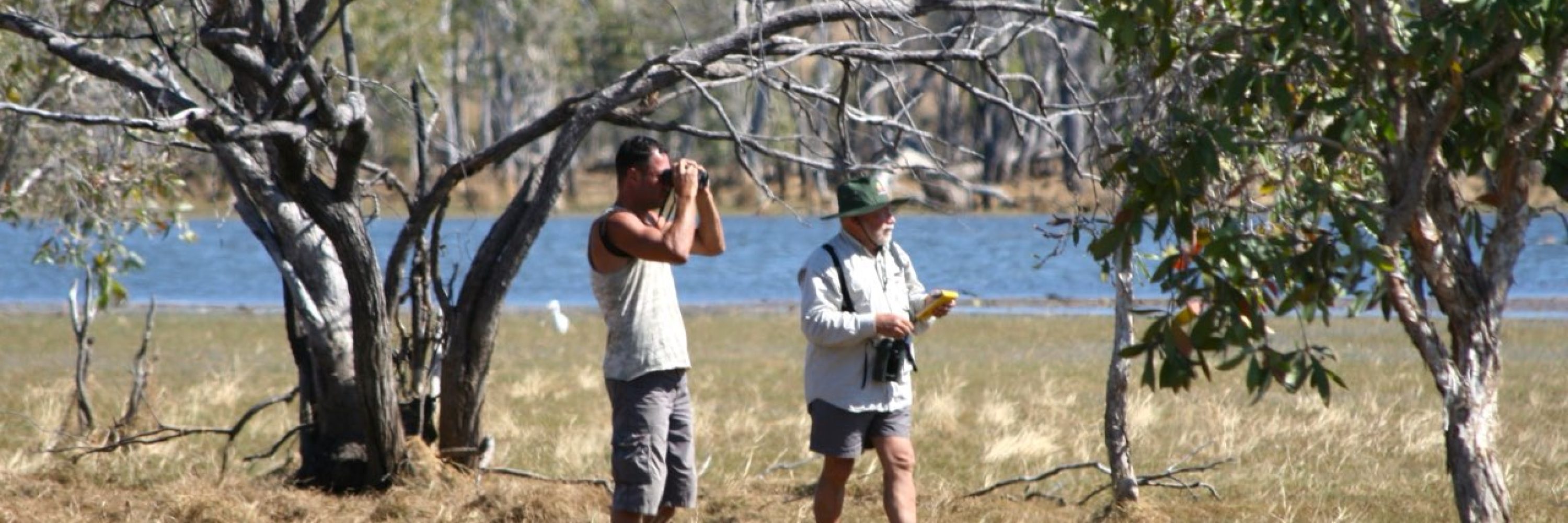
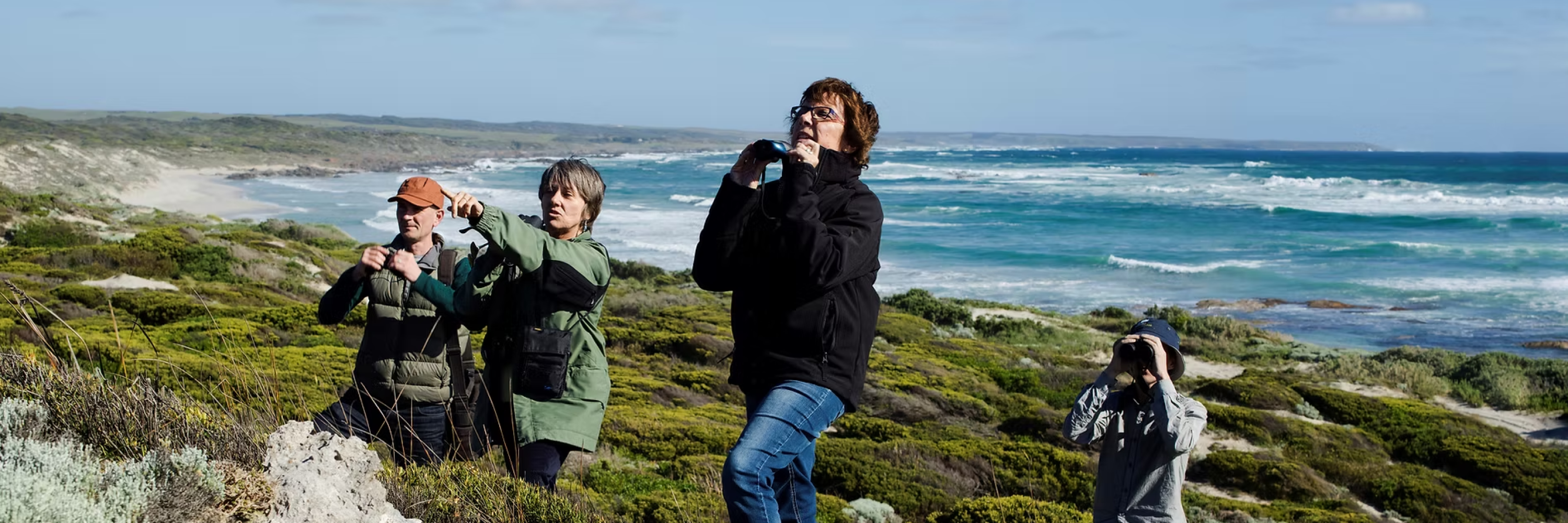
To understand how birds are faring, long-term monitoring of birds is essential. Setting up standardised surveys at specific locations that are repeated over time is an effective way of detecting changes in bird populations. ‘Wings on King’ is a dedicated long-term monitoring program on King Island that uses Birdata to
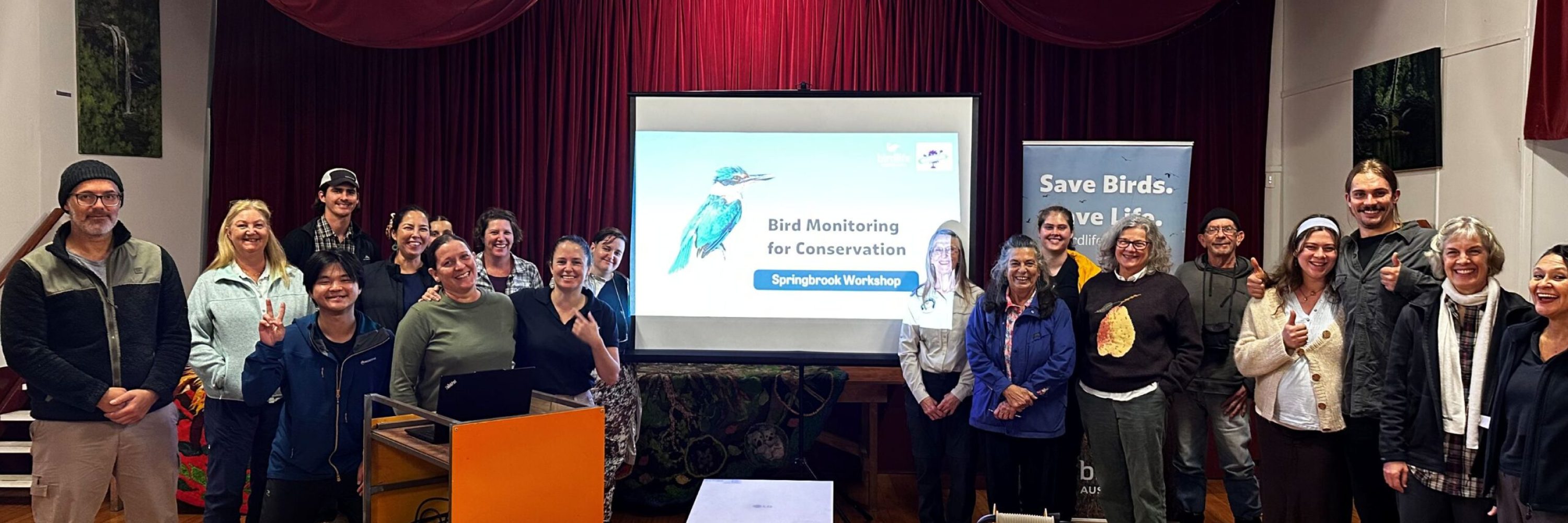
Monitoring birds alongside restoration Birds can be great indicators of ecosystem health, and whilst many birds use degraded habitats, monitoring species composition changes and any breeding events over time as habitat restores can provide more insight into the health of the restoring ecosystem. In late May, Birdata’s Engagement Officer, Emma
BirdLife Australia acknowledges the Traditional Owners of the Country on which we live and work, and we pay our respects to their Elders past and present. We recognise and are grateful for the immense contribution of Indigenous people to the knowledge and conservation of birds across the continent.