As weather starts to warm or dry across the country and plants begin to flower, we see enormous amounts of activity from our wildlife. Birds in particular are taking the opportunity to eat the sweet nectar of blossoming flowers, nibble on insects, and even sound their alarms as snakes come out of hibernation looking for their first feed of the season. Spring is a peak season for migration and nesting within Australia. It is also a time when we welcome many international visitors as they arrive for their breeding or non-breeding seasons.
Most movements for birds in Australia occur during autumn and spring with strong contrasting flight directions which can be likened to the migrations seen in the more temperate regions of the Northern hemisphere. However, there are also many species with partial migrations and many that are sedentary. To add to the complexity, often species leave at different times of the year and at different times between years reflecting Australia’s variable climate. To add to the complexity, often species leave at different times of the year and at different times between years, reflecting Australia’s variable climate.
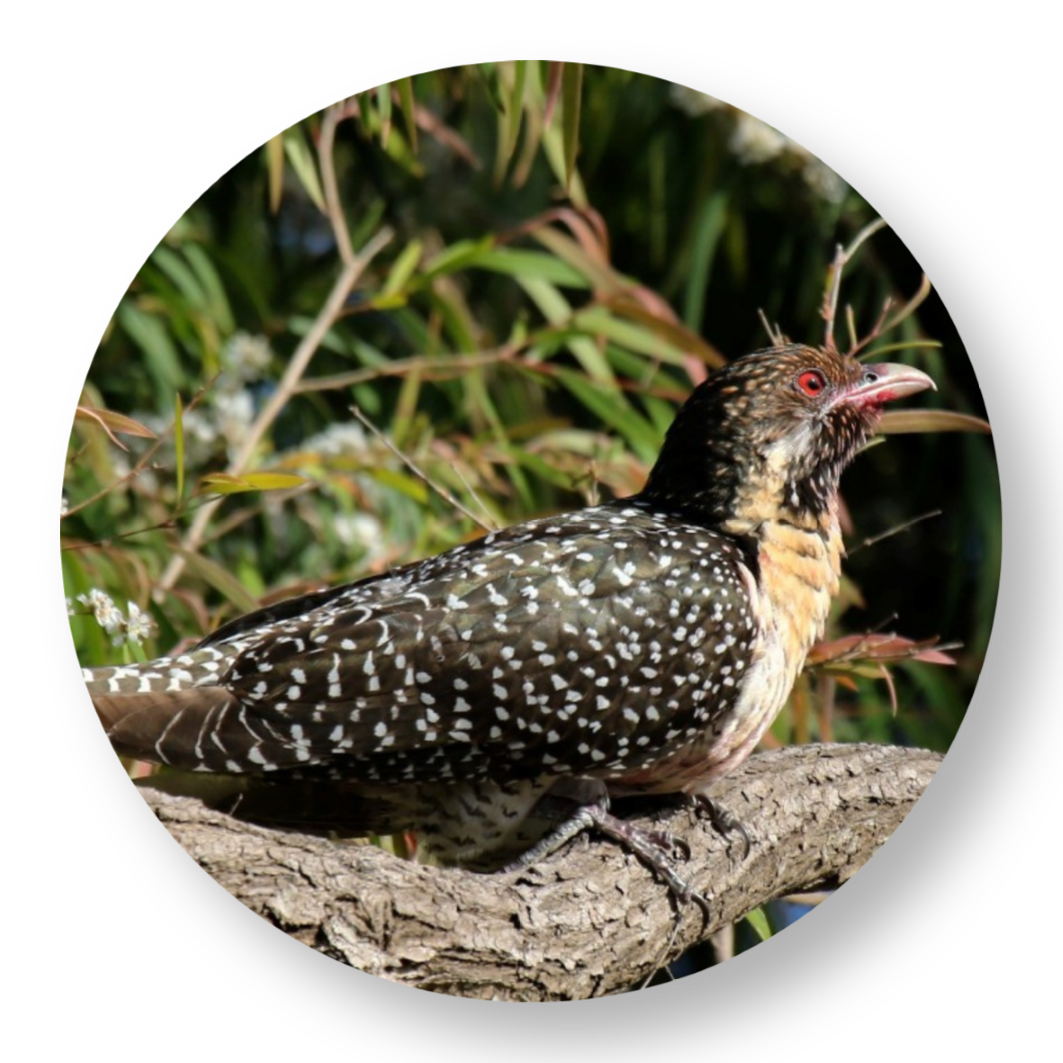
Climate change and increasing temperatures are also influencing bird movements with many migratory birds from the Northern hemisphere arriving to Australia earlier as temperatures increase. Other species are moving further south such as the Eastern Koel which is now a regular Spring visitor to Melbourne. Breeding in higher-than-average temperatures has also been observed to impact timing of breeding events and even the number of eggs laid in some species, especially when paired with reduced precipitation. There are complex interactions between birds and climate, and this is just one reason why monitoring birds is essential for understanding bird movements and how they may be changing.
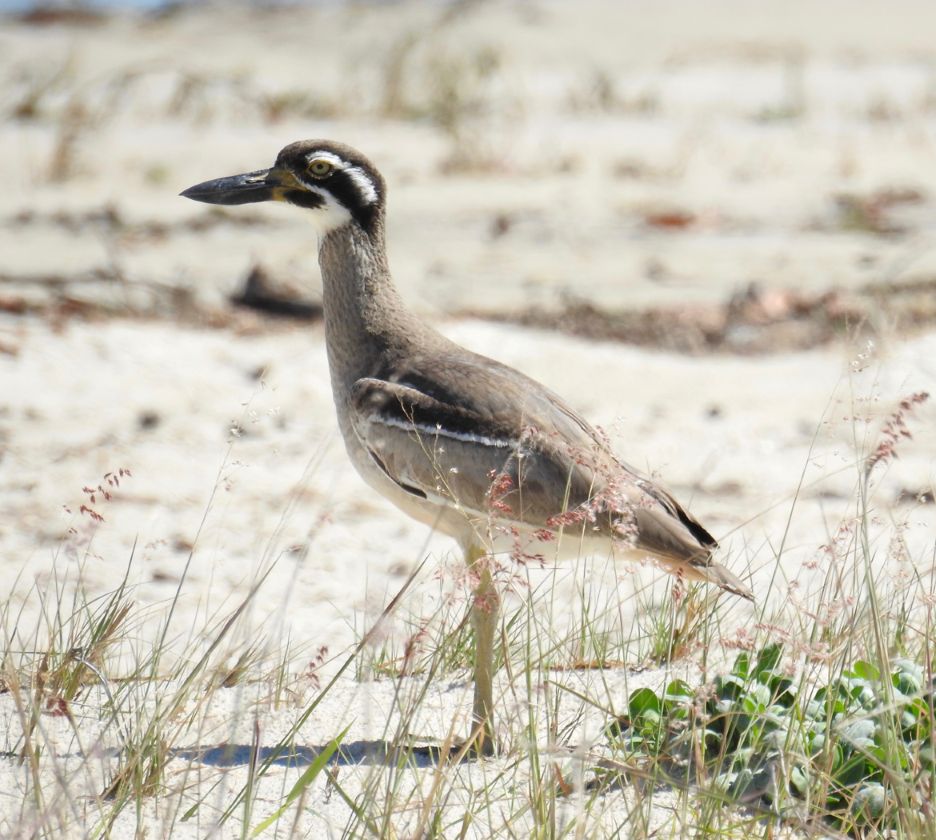
Beach Stone-curlew - Malcolm Bone
Image: The Beach Stone-curlew is a seasonal indicator in Masig traditional ecological knowledge. When it starts to whistle on the beach, locals know that he turtle-mating season of Naigai has arrived.
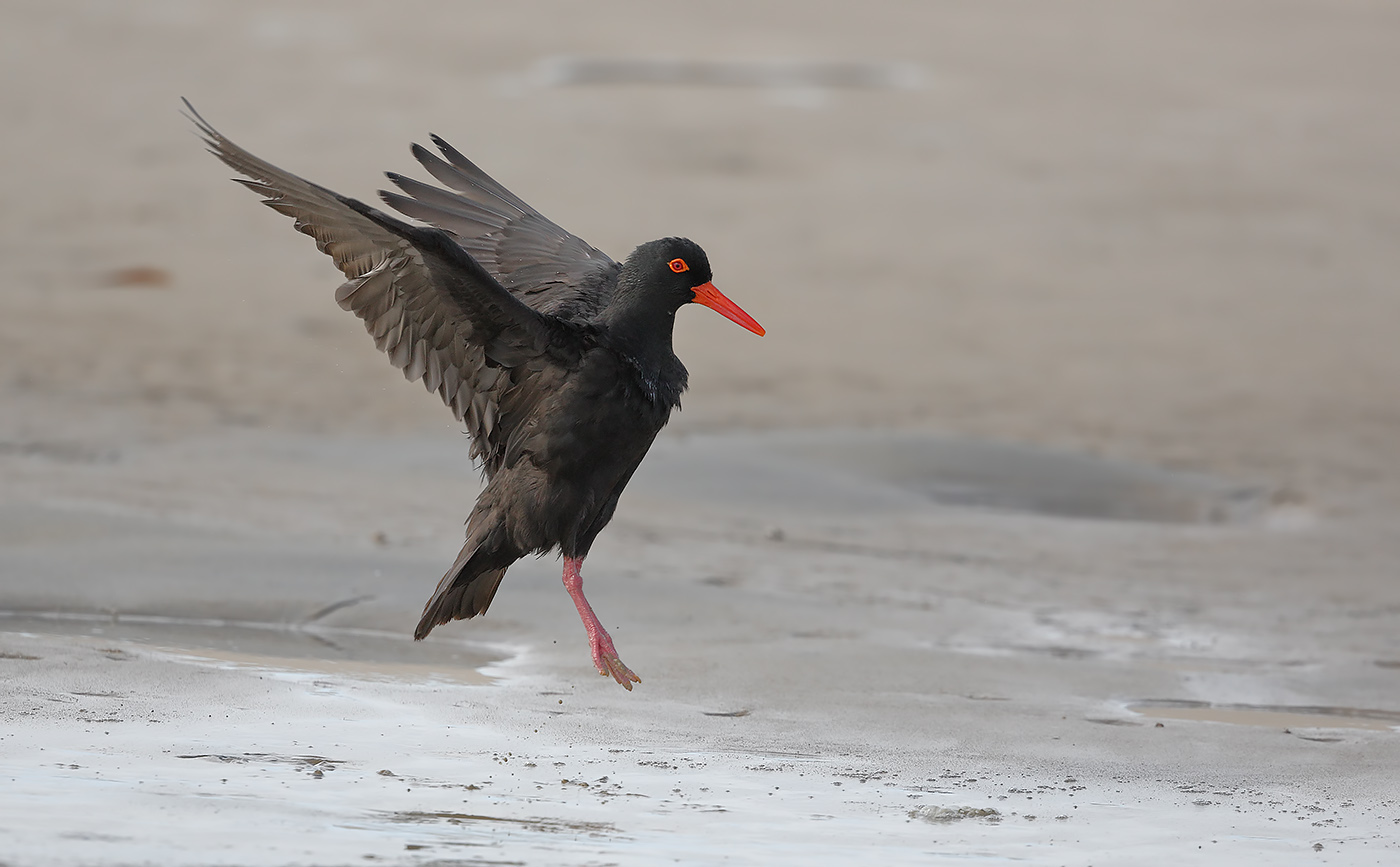
Sooty Oystercatcher - Doug Castle
Image: The Sooty Oystercatcher is another seasonal indicator of Naigai for the Masig community, indicating that turtle-mating season has arrived.
Indigenous Calendars
Depending on where you are in Australia, the weather, habitat and climate is incredibly variable. Summer, autumn, winter, and spring are constructs from the northern hemisphere and don’t always apply uniformly to the Australian continent. Indigenous calendars, however, are dictated by cues from nature and just as birds alter their behaviour and movements based on environmental conditions, the exact timing of these seasons are also variable from year to year. Changes in certain plants, animals, and weather can guide gardening, hunting, harvests, or celebrations. In the Masig/Yorke Island region of the Torres Strait (north-east of Thursday Island), there is a similar timed season around spring from September through to November known as Naigai. When Sooty Oystercatchers can be seen flying from south the north and Beach Stone-curlews start to whistle on the beach, these are some indicators that turtle-mating season has arrived. And when Terns can be seen flying in pairs, this indicates it the prime season for collecting eggs. The Masig seasonal calendar which was created by the Masigalgal Registered Native Title Body Corporate (RNTBC) drawing from Masigalgal elders and ranger knowledge, enables Traditional Ecological Knowledge to be protected, promoted and to preserve the Kulkalgau Ya language.
With over 900 species living within or visiting Australia, we can’t focus on all species. If you are interested in learning about the specific movements and activities of birds in your local area, the HANZAB – Handbook of Australian, New Zealand and Antarctic Birds is a great resource and free for all Birdata users. HANZAB has been updated to follow the AviList v1 taxonomy, and is reflected in the below species descriptions. Alternatively, look at some of the Indigenous seasonal calendars to see what ecological interactions might occur in your area over the next few months.
Breeding
Spring and summer (Sept – Feb) are typically the prime seasons for breeding, so as the weather warms, expect to see more breeding activity across Australia. This is also a prime season for birding as birds are often much easier to detect with species calling toestablishterritory, attract a mate and to mate.
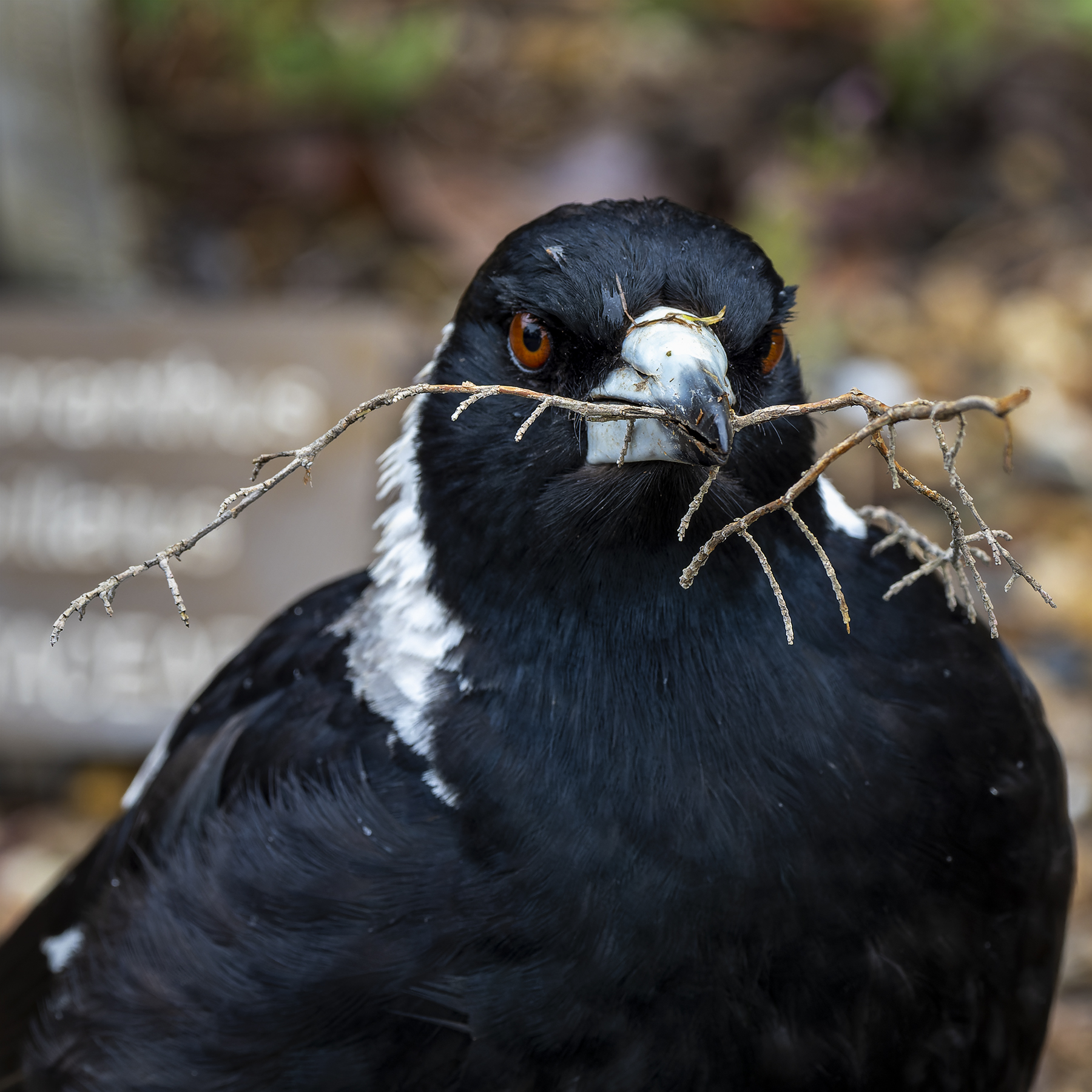
Australian Magpie
Australian Magpies hit their peak nesting season with most egg clutches laid during spring. Whilst there are a variety of subspecies across the continent, breeding season is quite consistent with some variation in earlier or later clutches depending on temperature and precipitation.
Australian Magpie - Graham Gall
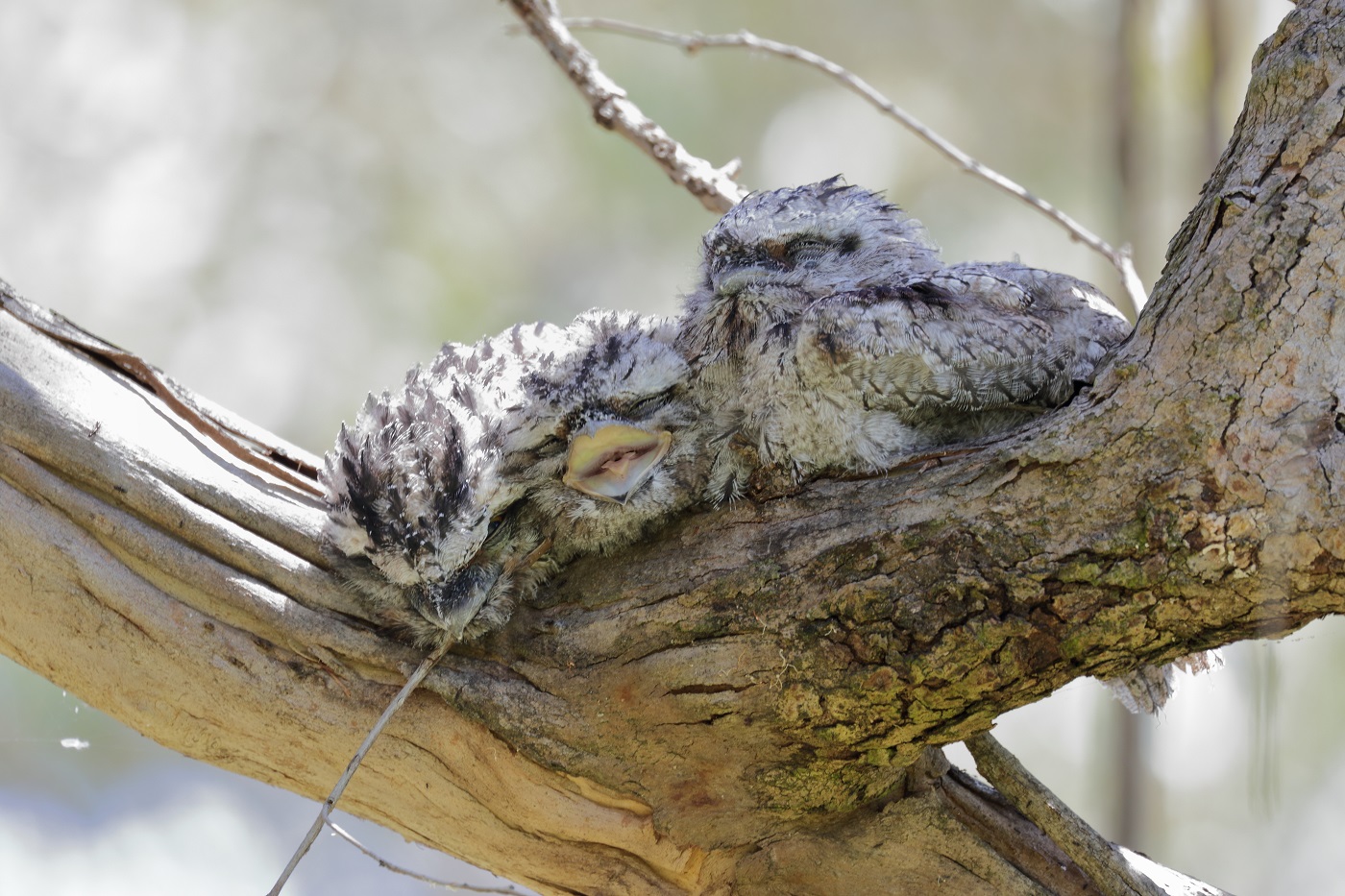
Tawny Frogmouth
Spring is peak breeding season for Tawny Frogmouths with most laying occurring during Sept-Oct. Tawnys build their nests predominantly in Eucalyptus trees in branches or tree hollows.
Tawny Frogmouth - William Betts
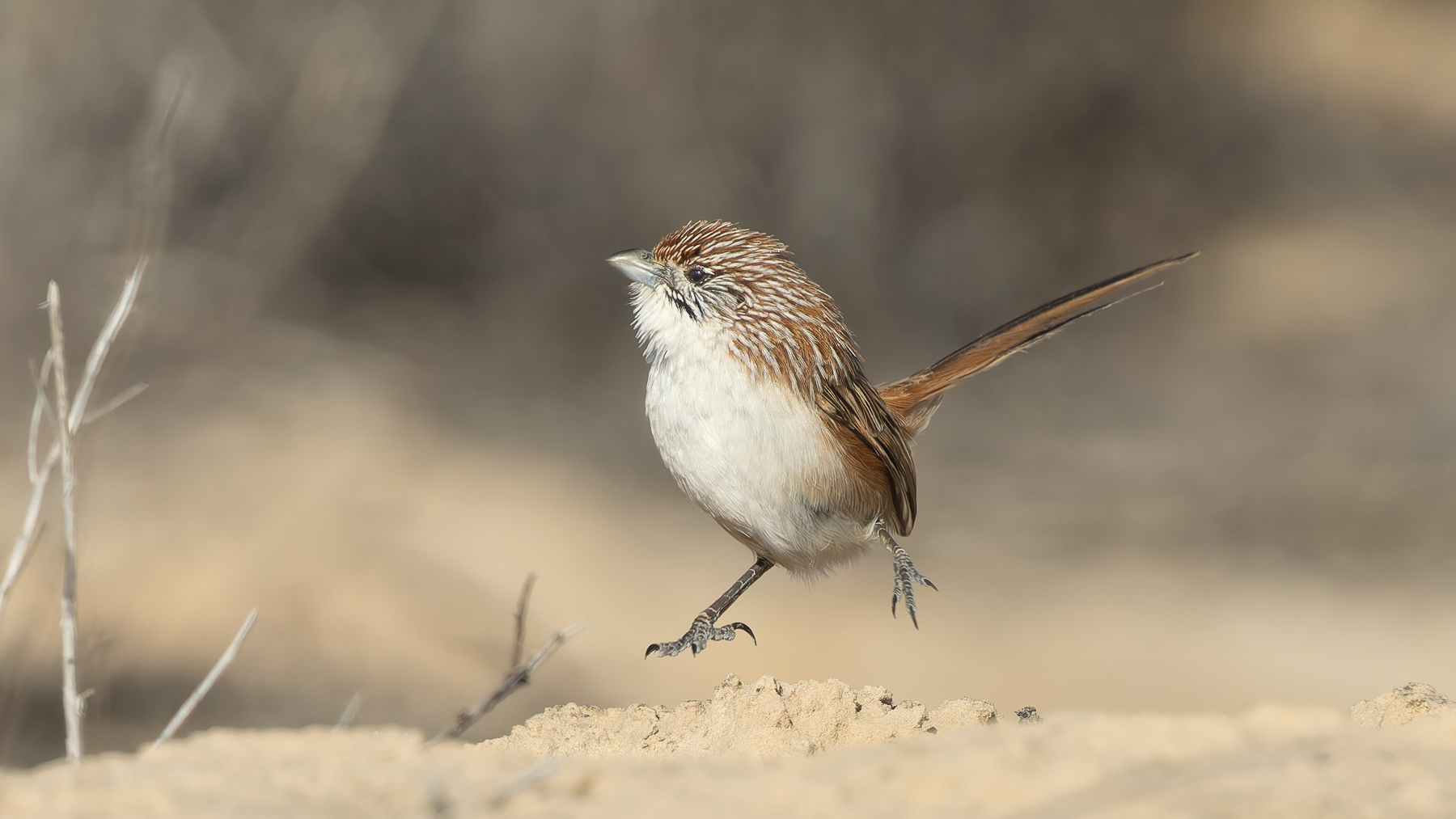
Eyrean Grasswren
Eyrean Grasswrens typically nest in Spring yet are also known to respond to rainfall to dictate when they nest.
Eyrean Grasswren - David Newell
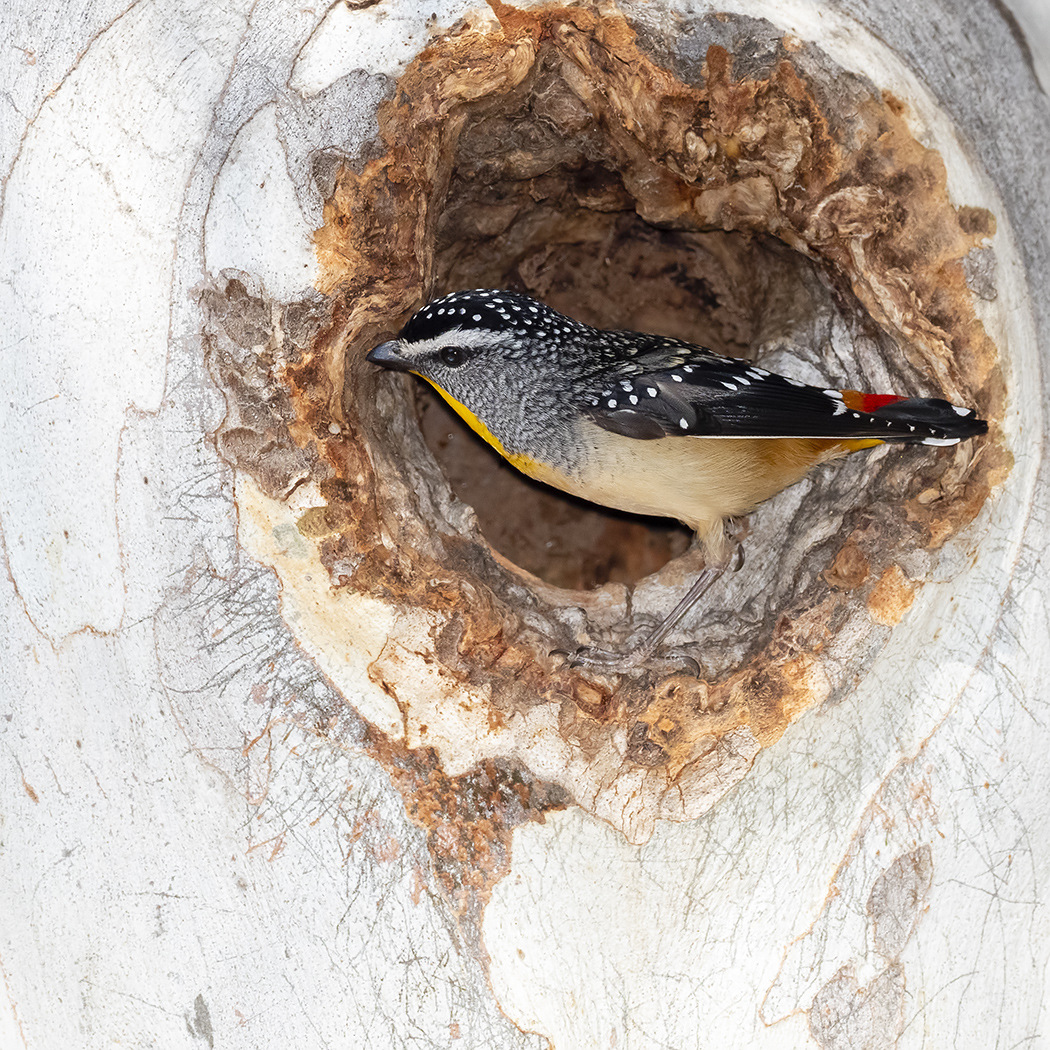
Spotted Pardalote
Whilst there is some variation across Australia for nesting times, spring is peak breeding season for Spotted Pardalotes. Spotted Pardalotes are quite noisy around breeding and have interesting, excavated tunnel nests which both parents create, although the females do most of the heavy lifting.
Spotted Pardalote - Graham Gall
Image: This Spotted Pardalote was spotted excavating a tree hollow in the Australian National Botanic Gardens, ACT. This is unusual for Spotted Pardalotes who typically excavate into the earth. normally nest in a burrow in an earth bank.
Migration
Why do birds migrate?
Two of the reasons birds may migrate in spring are the warmer temperatures and to follow food sources.
Migratory Shorebirds
Many migratory birds start to arrive in Australia during spring for their non-breeding seasons, travelling north via the East Asian–Australasian Flyway (EAAF).
Arriving to Australia in spring
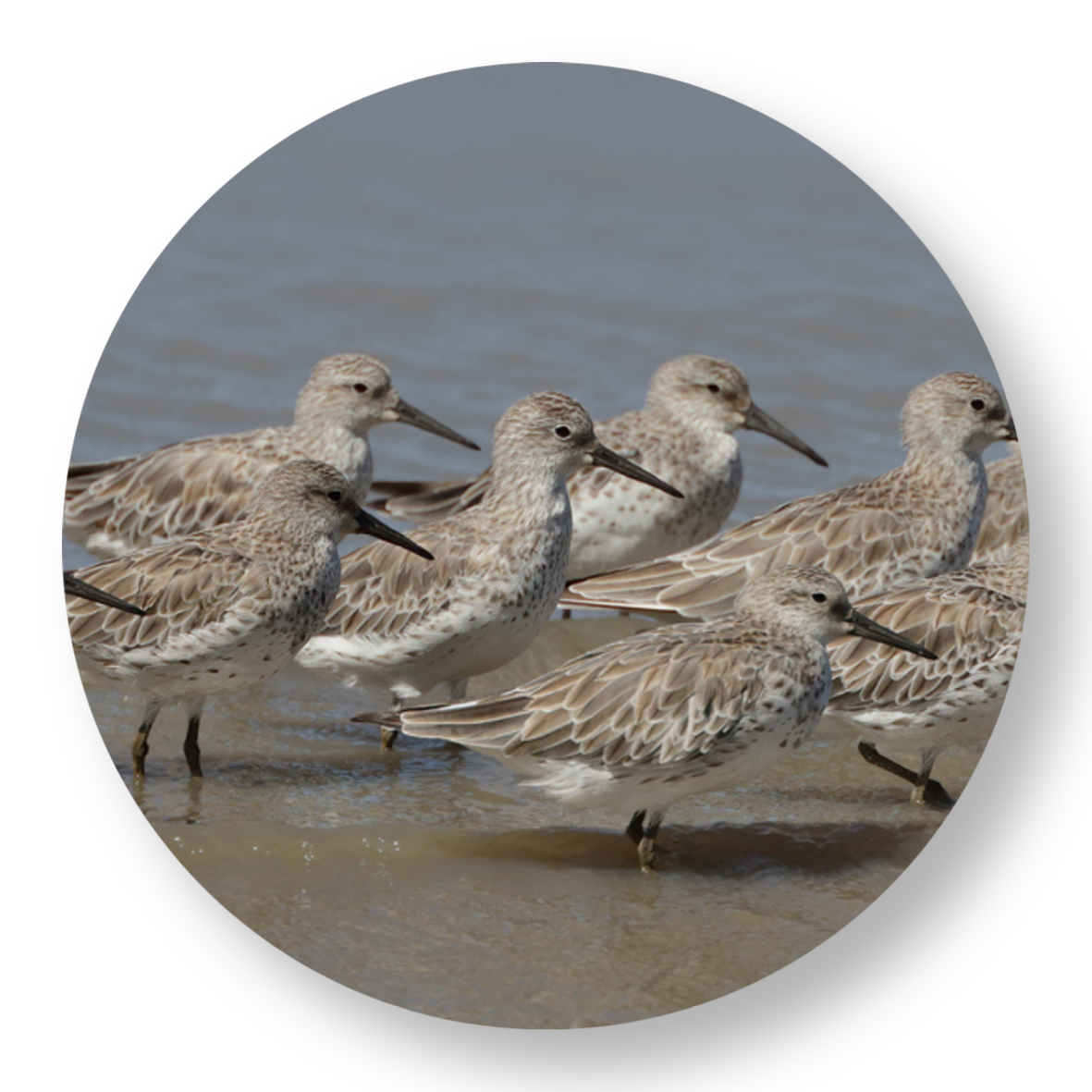
Great Knot - Ian Wilson
Great Knot
Great Knots are an endangered migratory shorebird species (IUCN) considered to be declining due to threats across their breeding sites, non-breeding sites and along their East Asian-Australasian Flyway migratory path. Many arrive in the north-west of Australia from late Aug/early Sept, although most males do not arrive till much later in Spring (Oct.–Nov).
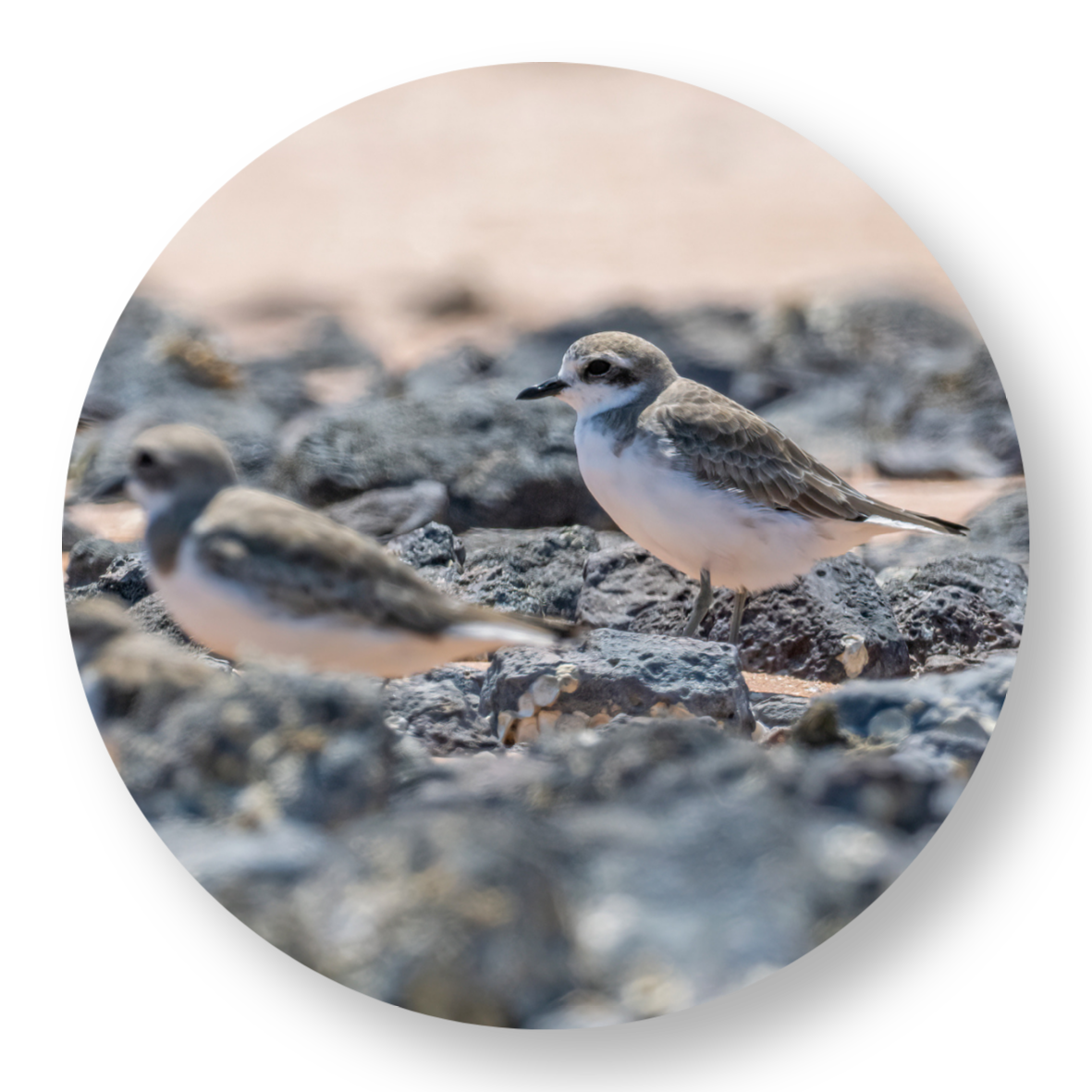
Lesser Sand Plover
Lesser Sand Plovers are another endangered migratory shorebird species (IUCN) with declining populations, start to arrive in Australia for their non-breeding season in Australia. Whilst there are threats along their entire global distribution, in Australia, habitat loss, human and pet disturbance, and invasive plants are some of the major threats.
Lesser Sand Plover - Keith Wilcox
Australian Species Migration
Birds returning to Australia
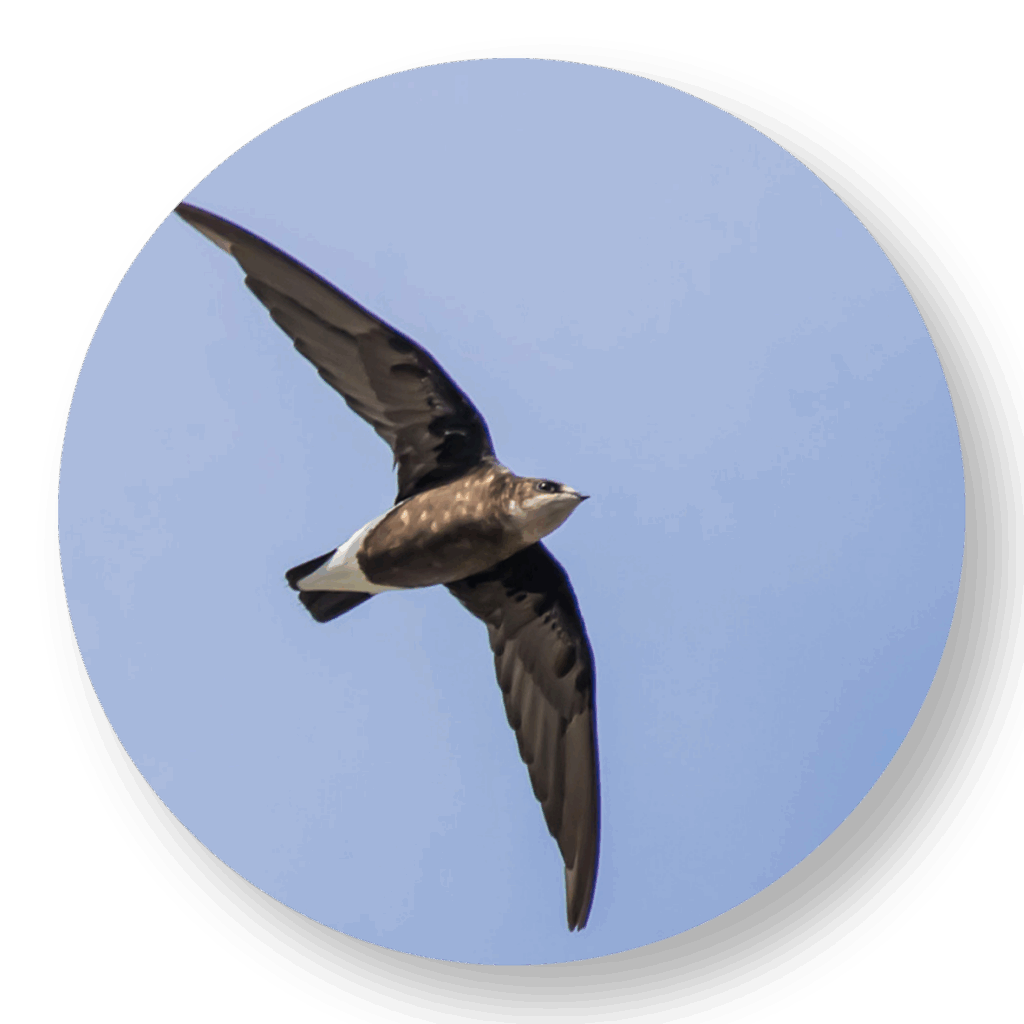
White-throated Needletail - the largest swifts within Australia travelling from their breeding grounds in Siberia and Mongolia start to arrive in the northern parts of Australia in September. They are almost exclusively aerial spending most of their time in flight foraging and even roosting in flight, rarely seen perched in forests or leaf litter.
Eastern Koel - starts returning from Papua New Guinea and Indonesia around September for breeding in Australia late spring. September is peak calling season with males “coo-ee-ing" for many days until a female responds with a “Keek”. This excites the male who then responds with a “Wello"!
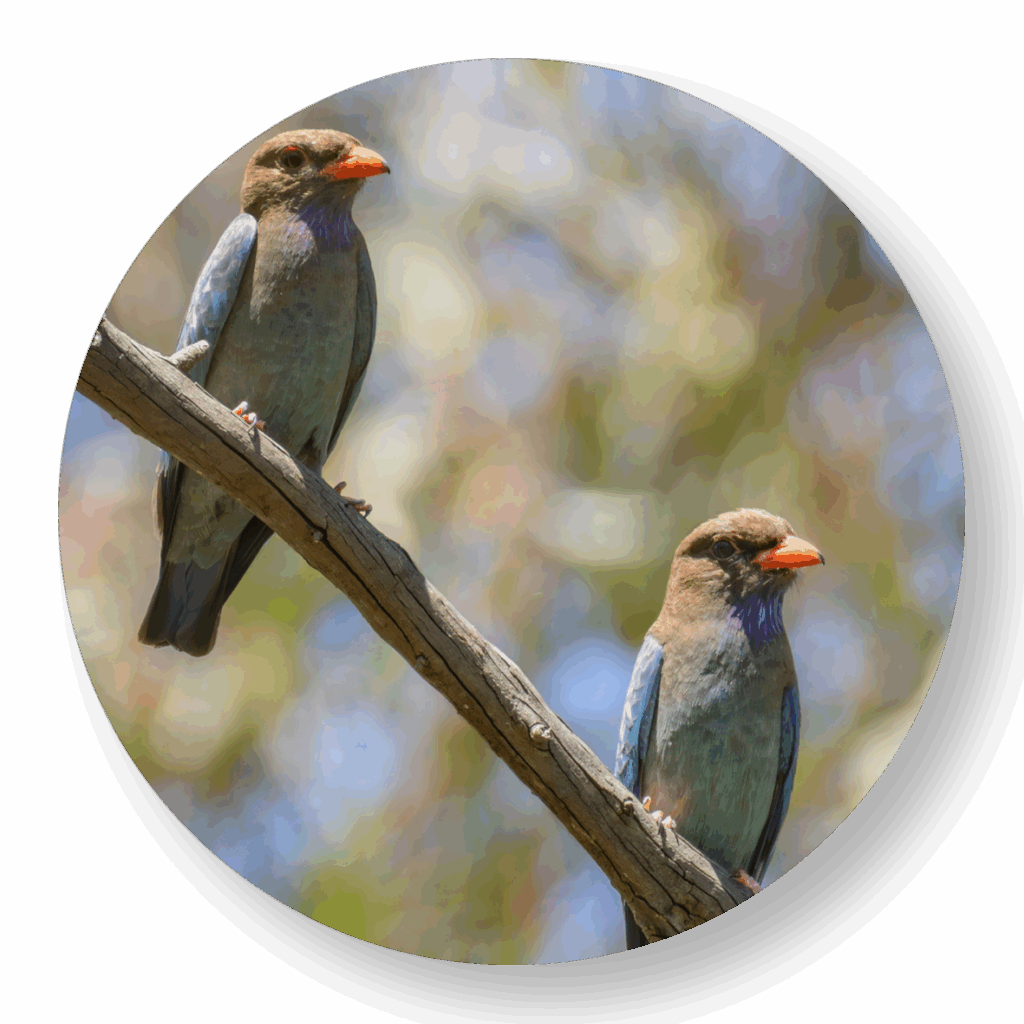
Dollarbird - having spent their non-breeding season in Papua New Guinea, Dollarbirds start arriving in Australia from September often migrating during the night. Considered monogamous, partners arrive within a few days of each other and start to breed immediately.
White-throated Needletail - Bruce McNaughton
Eastern Koel - Lindsay Hansch
Dollarbird - Rob Solic
Birds travelling South
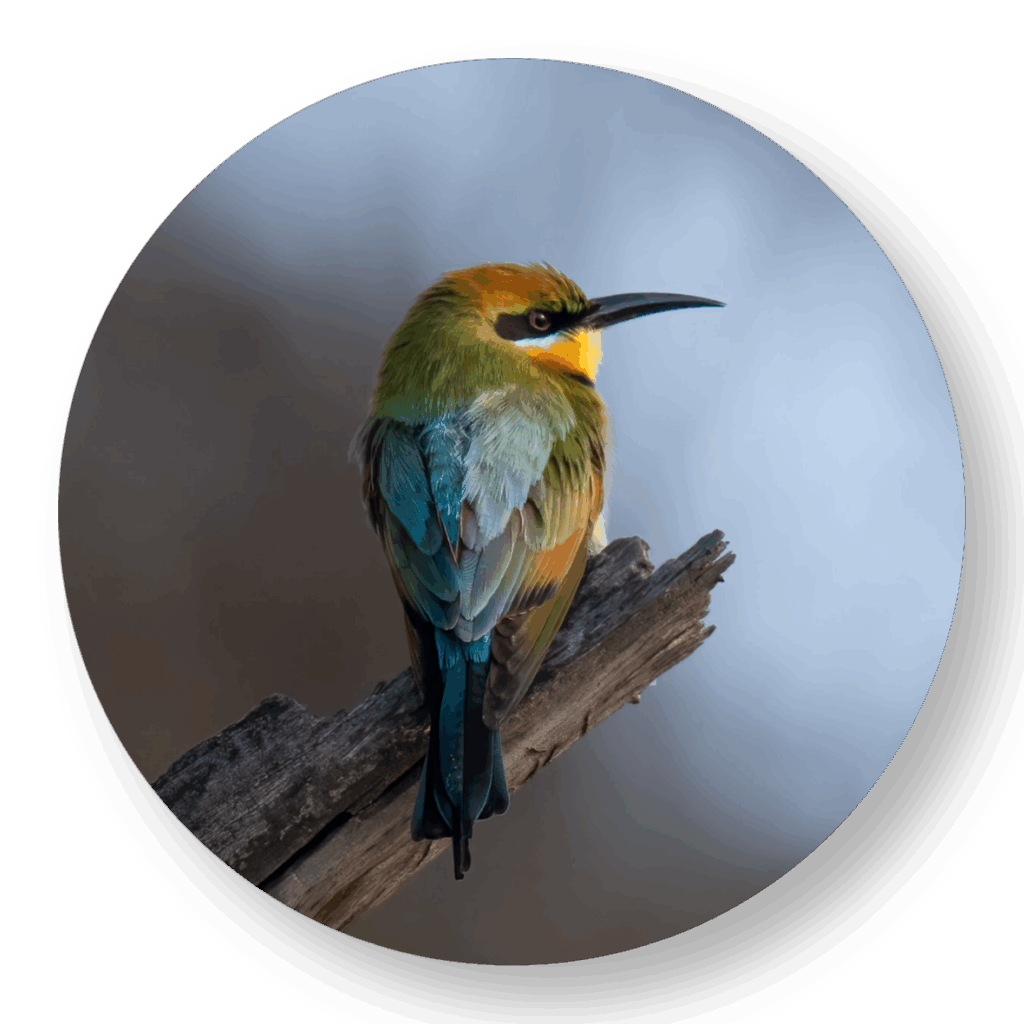
Rainbow Bee-eater - southern Australian populations return south in spring having mostly migrated to northern Australia, Papua New Guinea and Indonesia in autumn for the austral winter.
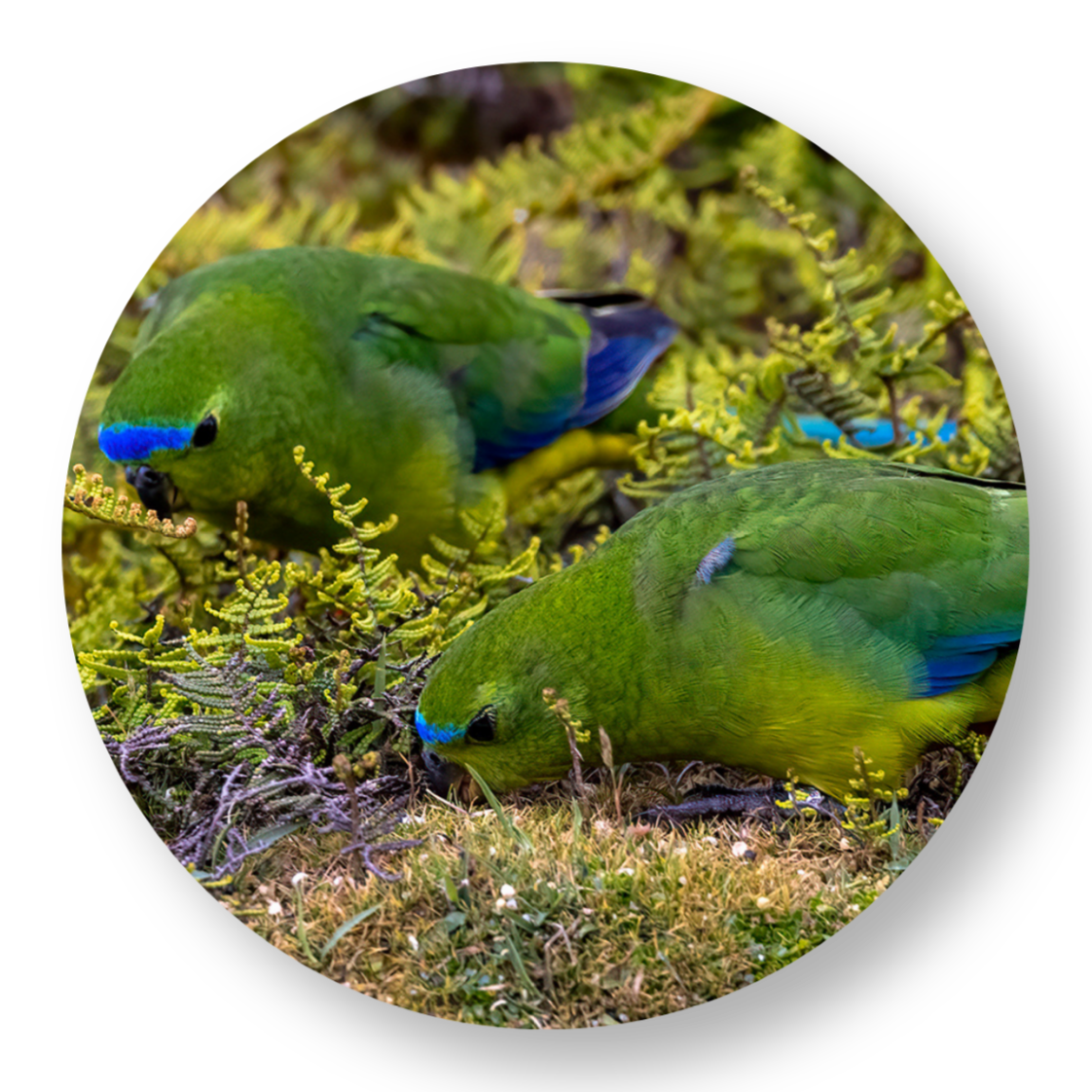
Orange-bellied Parrot - after spending some time on the mainland for their non-breeding season, Orange-bellied Parrots return to Tasmania in spring. Before leaving, many birds pair up, although some pairing occurs after their return to Tasmania which can cause courtship conflicts.
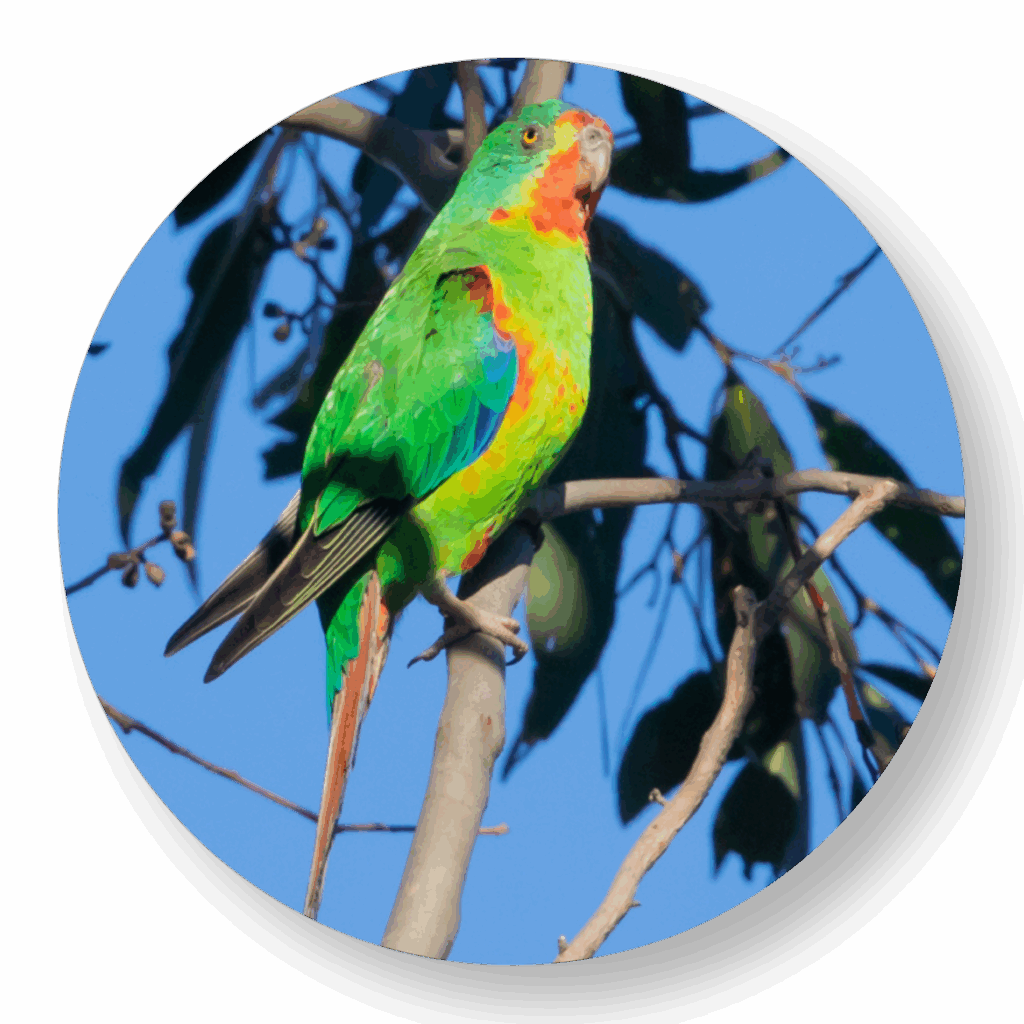
Swift Parrot - after spending their winter on the mainland, Swift Parrots also return to Tasmania in spring and start to breed with most adults laying in Oct and Nov.
Rainbow Bee-eater - Neale Dyster
Orange-bellied Parrot - Gary King
Swift Parrot - Andrew Rock
Altitudinal migration
Many Australian bird populations choose to remain where they are latitudinally and instead migrate up to higher elevations durign spring.
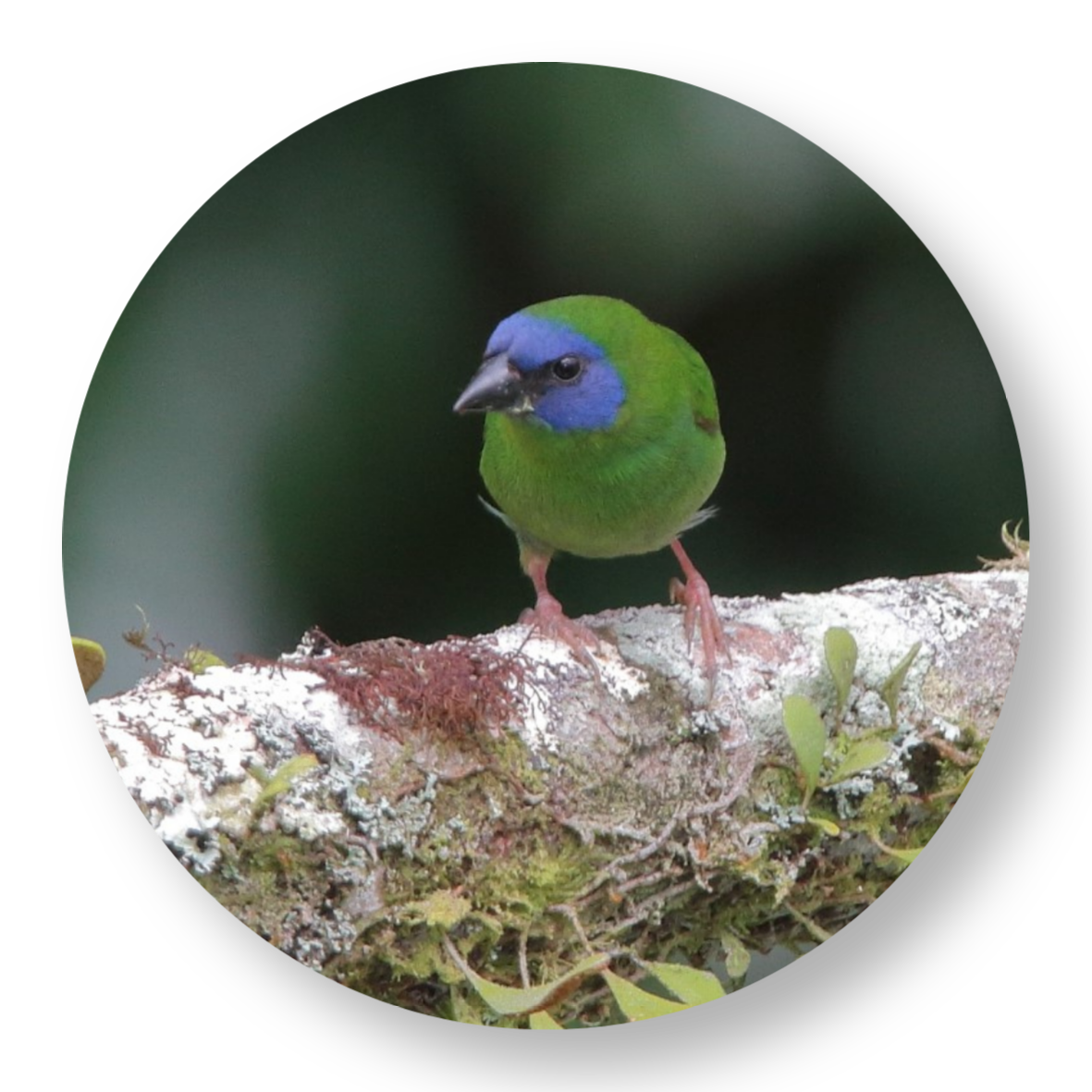
Blue-faced Parrot-Finch - is a partial altitudinal migrant during the wet -season of the north-east uplands from October. It is here they will breed.
Blue-faced Parrot-Finch - Keith Fisher
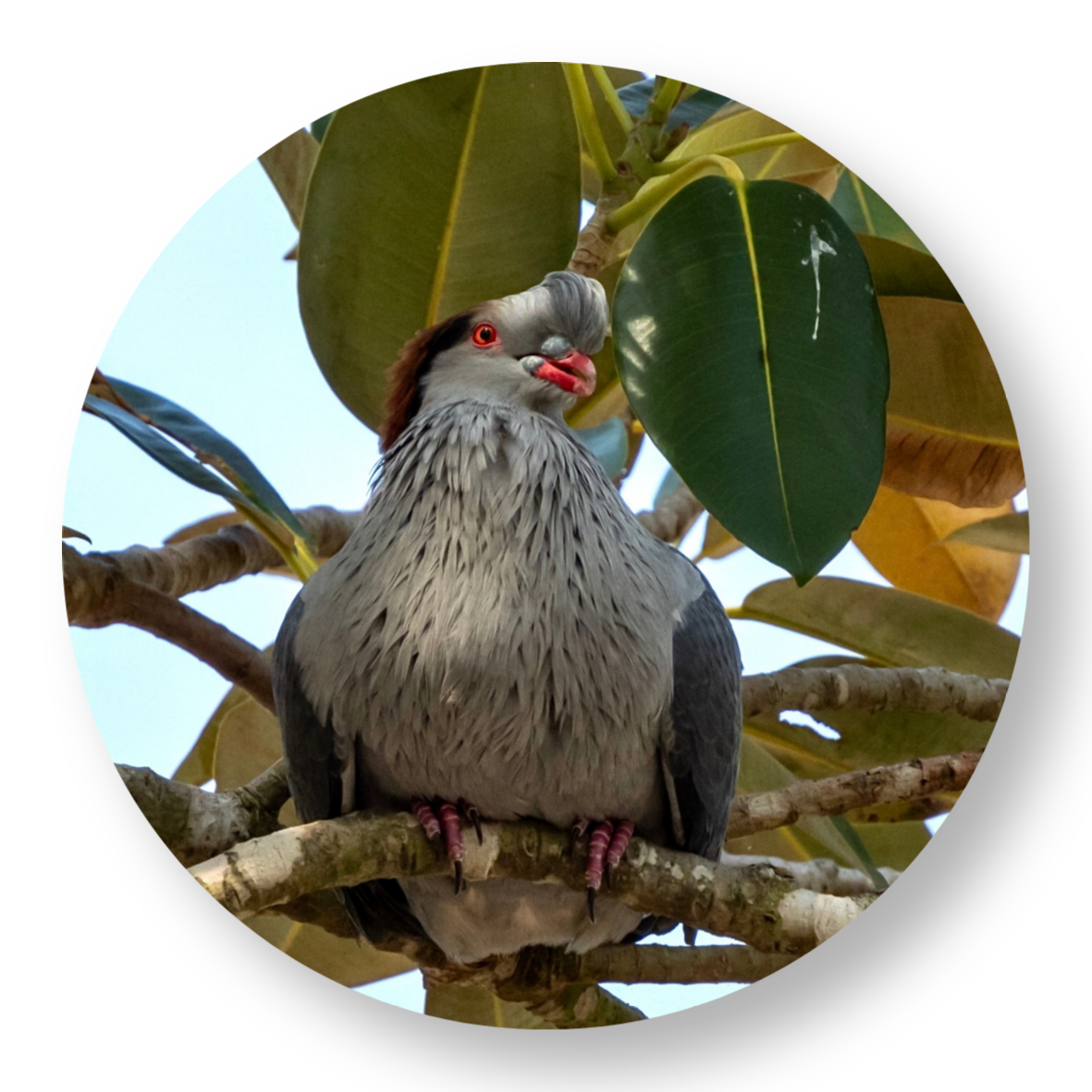
Topknot Pigeon - Audrey Haynes
Topknot Pigeon – are typically nomadic, following rainforest fruit resources however some have been noted to move away from coasts and up to mountain ranges in spring.
Following Food Sources
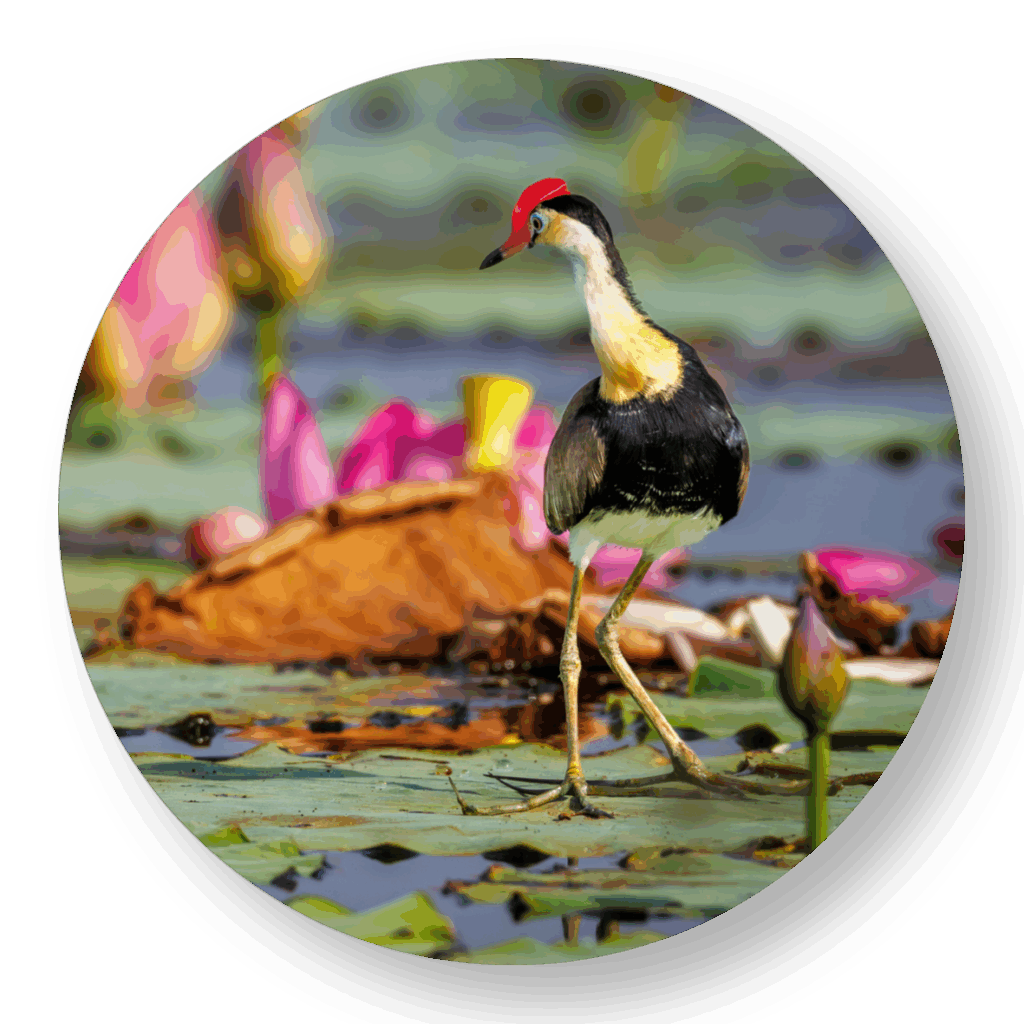
Comb-crested Jacana - are a dispersive species that move according to the condition of wetlands rather than seasons.
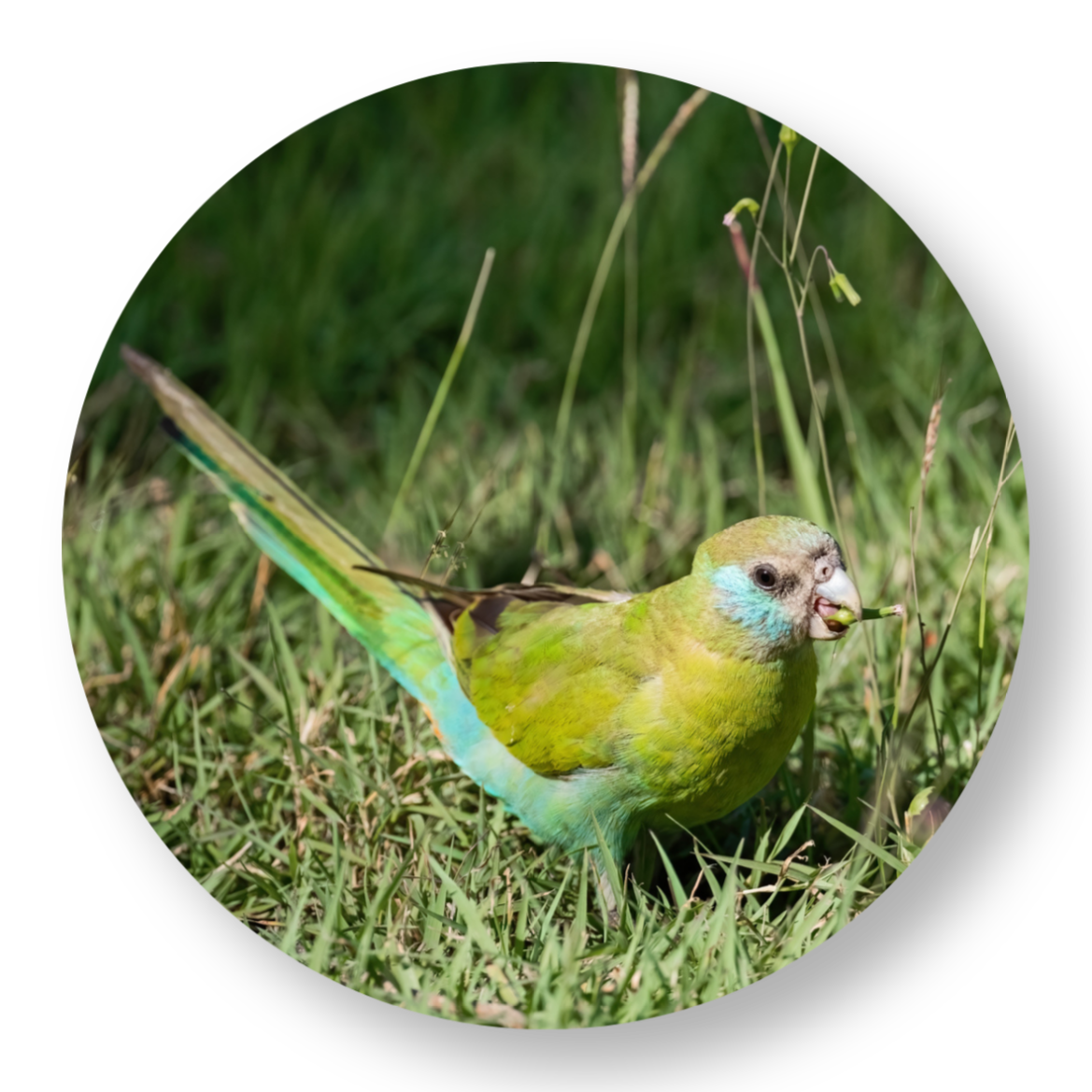
Hooded Parrot - have no seasonal movements and breeding is quite diverse. They feed almost exclusively on grass seeds and have been sighted often around recently burnt areas during the dry season which may contribute to a short-term increase of seeds.
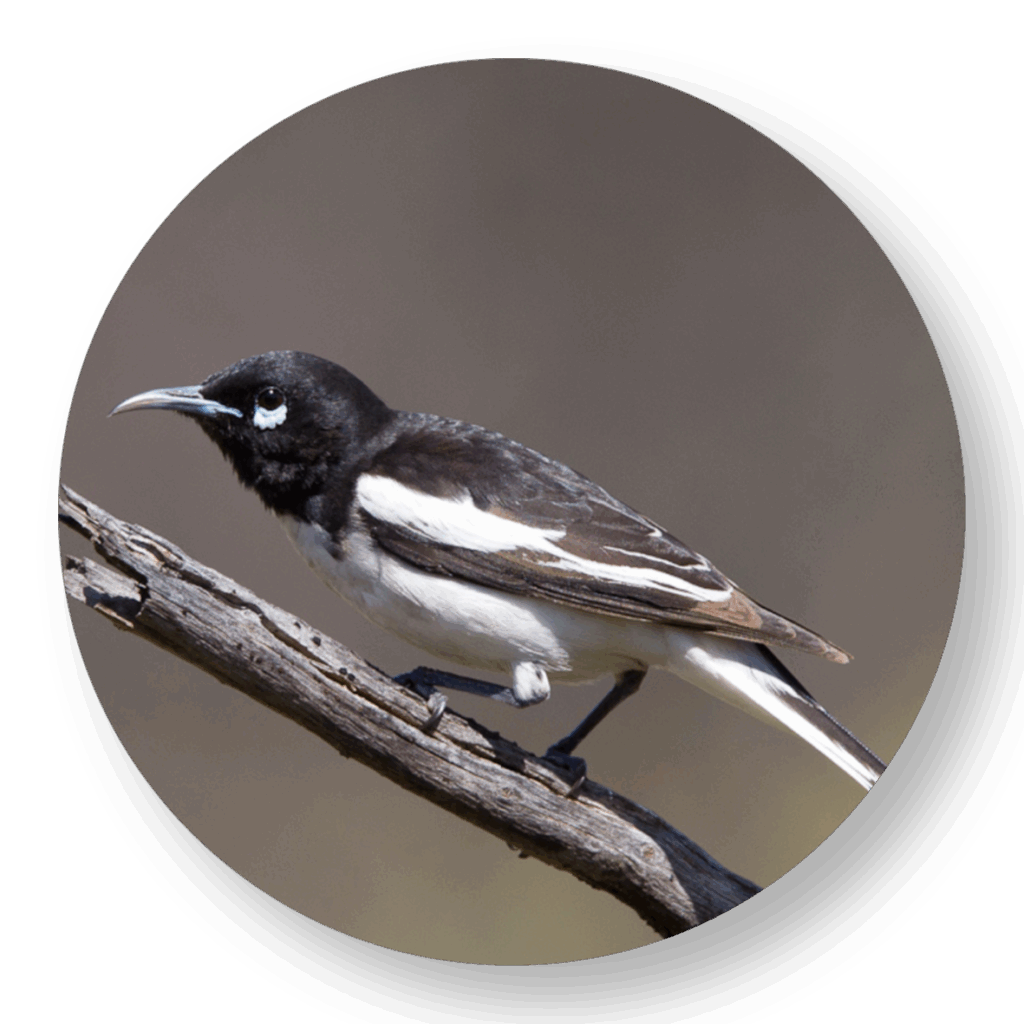
Pied Honeyeater - are highly unpredictable with some seasonal movements in certain areas and others following rainfall or specific bush flowers. Whilst spring is their main breeding season, some breeding occurs in summer and even into autumn in some areas.
Comb-crested Jacana - Leigh Reeves
Hooded Parrot - Warren Wilson
Pied Honeyeater - Trevor Wood
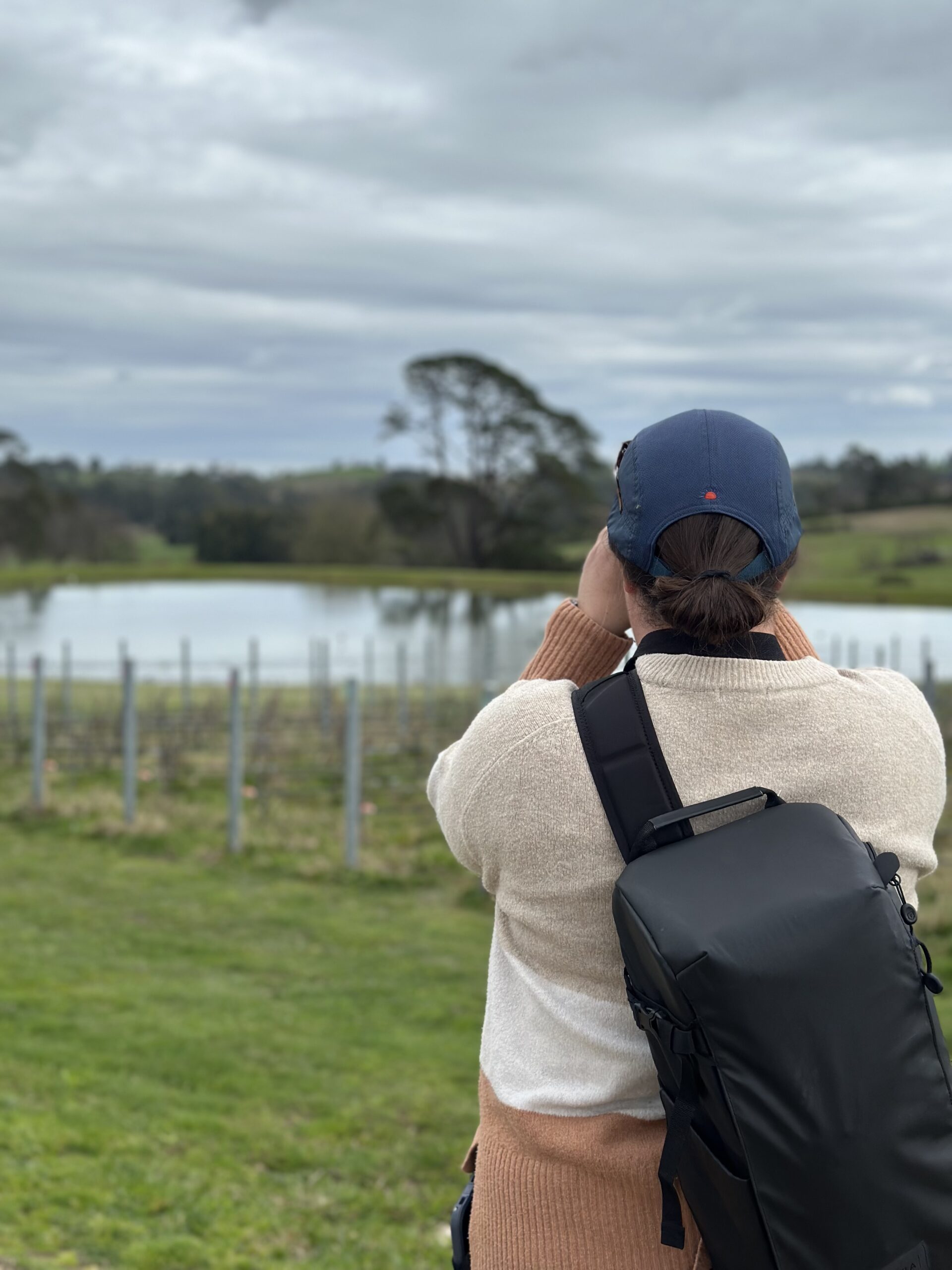
Ready to contribute to our understanding of birds? Get your binoculars out this spring!
Across Australia there is much activity in spring with peak migrations and breeding events. Yet there is much variation across species with environmental conditions often impacting when species choose to breed or migrate. Some birds are predictable whilst others are opportunistic following food sources, cooler or warmer temperatures depending on their needs. This makes bird observations important in understanding any changes to the more predicable species and understanding what drives more nomadic species. Enjoy birding during this time and knowing that each bird observation helps to paint a more detailed picture of birds across Australia. If you do witness any breeding behaviour, be sure to use the breeding activity field within all General Birdata surveys to capture this vital information.
Happy birding!
Want to log a bird survey in Birdata?
Learn more about how to log a bird survey in Birdata by enrolling in our free Birdata Basics and Beyond online course. Alternatively, check out our free downloadable resources here.