Complex and diverse responses to changes in the weather and food availability
As a large continent, Australia has multitudes of different habitats and climates. Whilst much of Australia becomes cooler over the winter period, this is not uniform across Australia.
For over 65,000 years, Indigenous Australians have been in tune with the natural cycles of nature. Traditionally, seasons are dictated by environmental cues rather than specific dates. Similarly, bird responses to the winter season in Australia are also not uniform and many respond to changing environmental cues rather than specific seasons. Some Australian birds migrate further north during winter to warmer climes, yet many species remain residents all year round. Others follow food trails for sustenance outside of their breeding period whilst others hunker down and decide winter is the perfect time of year to breed.
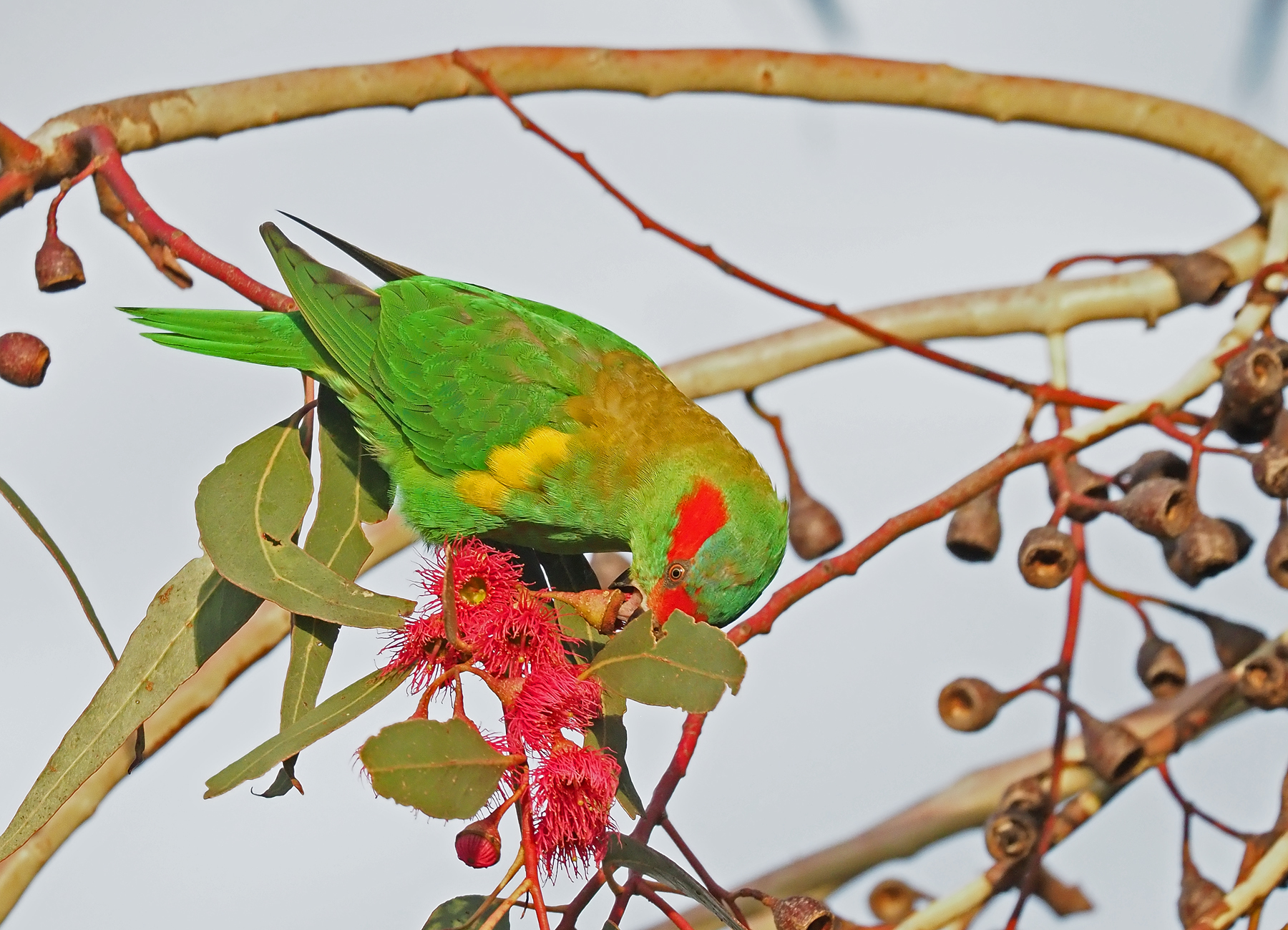
Musk Lorikeet - Alison Bowling
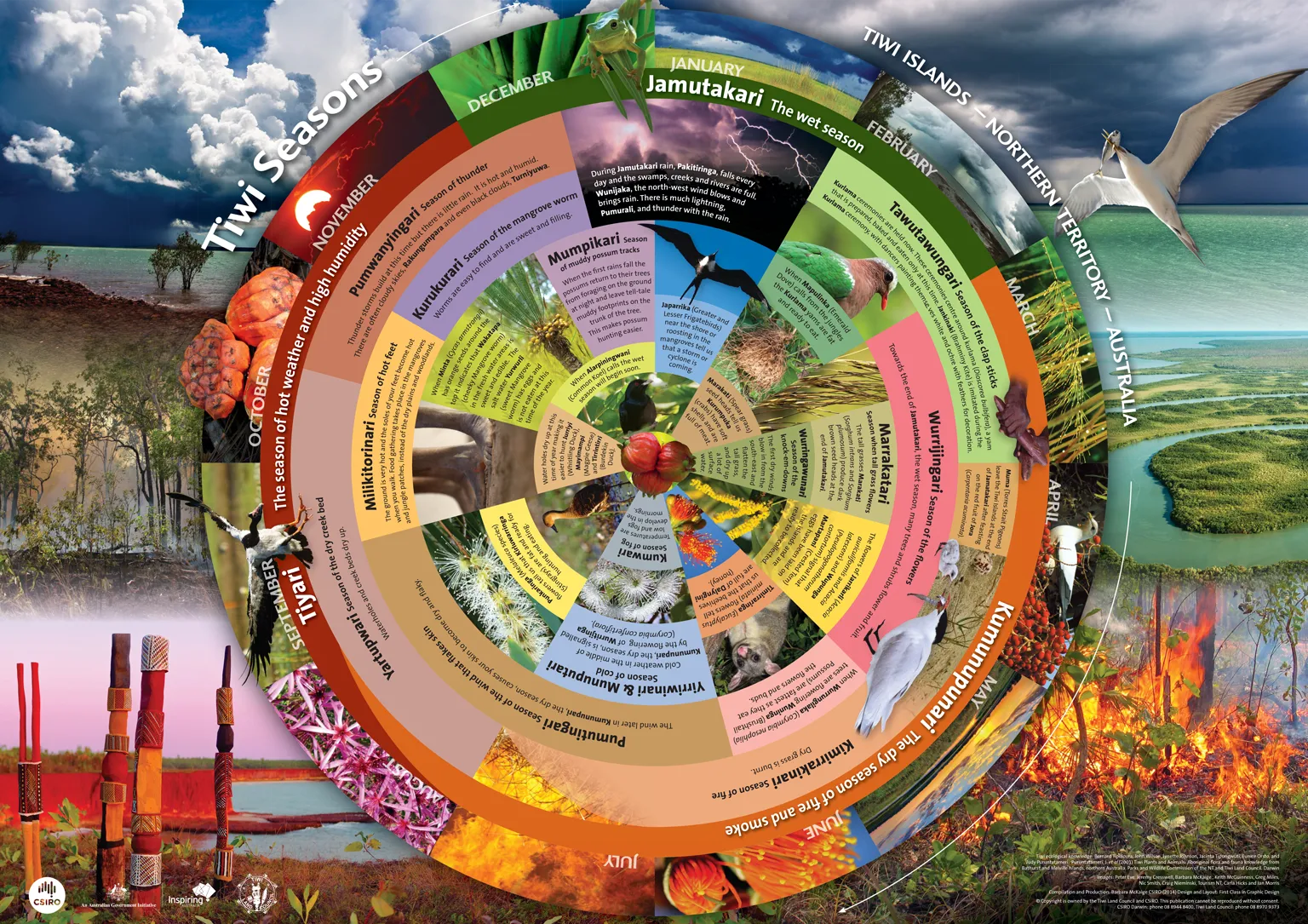
Image: In the Tiwi Islands there are 3 major seasons; Jamutakari (wet season), Kumunupunari (dry season), and Tiyari (hot and wet season). Within these seasons, there are 13 more minor seasons that overlap and are indicated by specific environmental cues such as the flowering of plants or specific birds calling. June and July fall within the dry season whilst August is the start of the hot and wet season.
With over 900 species living within or visiting Australia, we can’t focus on all species. If you are interested in learning about the specific movements and activities of birds in your local area, the HANZAB – Handbook of Australian, New Zealand and Antarctic Birds is a great resource and free for all Birdata users. HANZAB has been updated to follow the AviList v1 taxonomy, and is reflected in the below species descriptions. Alternatively, look at some of the Indigenous seasonal calendars to see what ecological interactions might occur in your area over the next few months.
Breeding
Whilst spring and summer (Sept – Feb) are typically the prime seasons for breeding, there are some species where the winter conditions are just right.
Shy Albatross
The subspecies of cauta breeds in Bass Strait (Albatross Island) and off-shore islands south of Tasmania (Pedra Branca, Mewstone), laying eggs from mid-September. The subspecies steadi breed on Chatham Islands and associated Forty-Fours, and sub-Antarctic Islands (Auckland Islands and Antipodean Islands and recently, Diego Ramírez Islands, Chile). Whilst most disperse to South America, some can be seen on the east coast of Australia with fledglings from August.
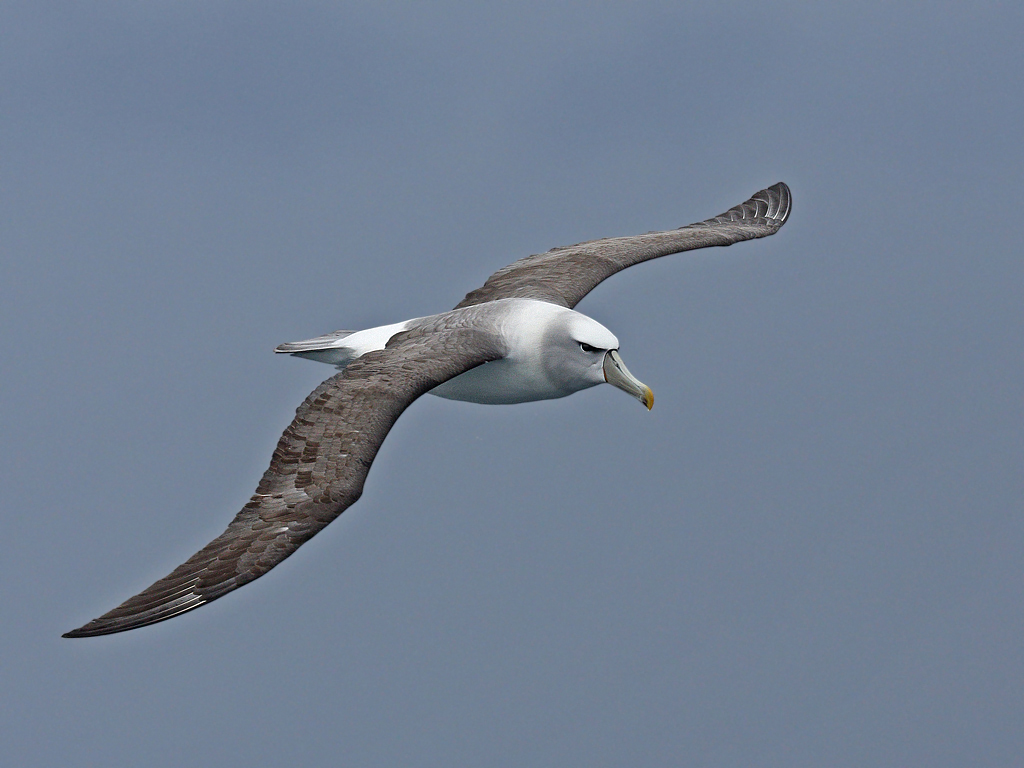
Shy Albatross complex - Ian Wilson
Little Shearwater
There are two subspecies that breed during winter. Subspecies tunneyi breeding in WA and subspecies assimilis on eastern islands including Lord Howe Island and Norfolk Island.
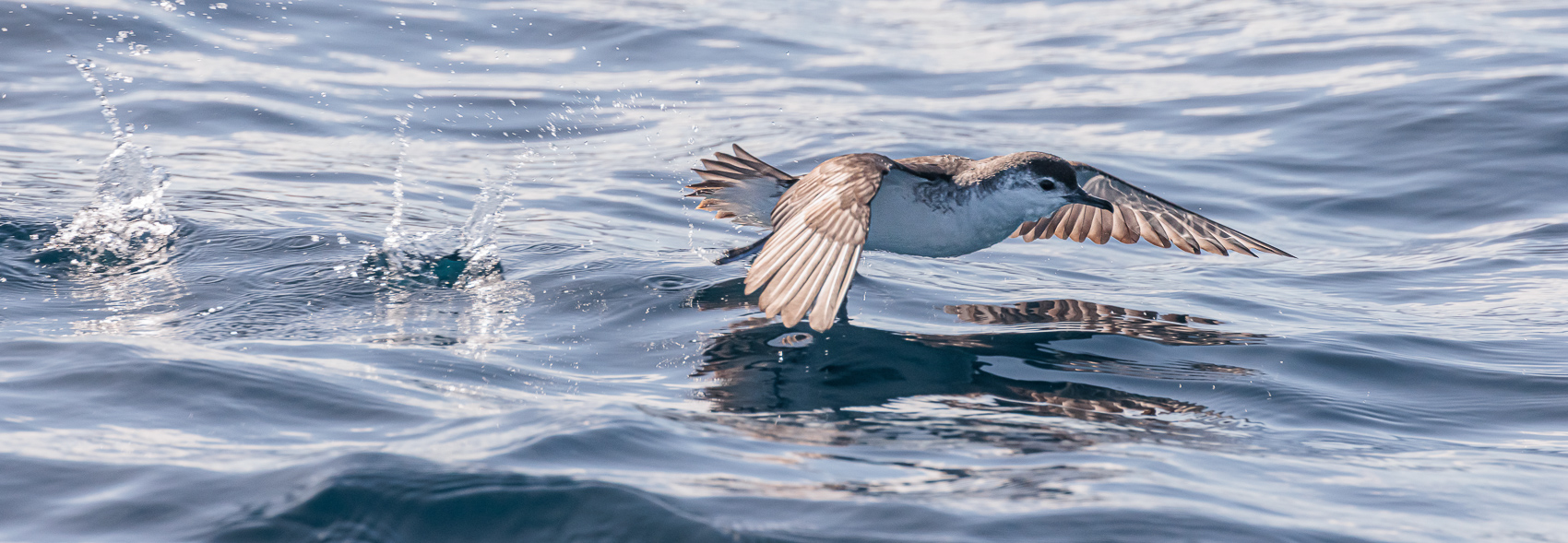
Little Shearwater - Jacob Crisp
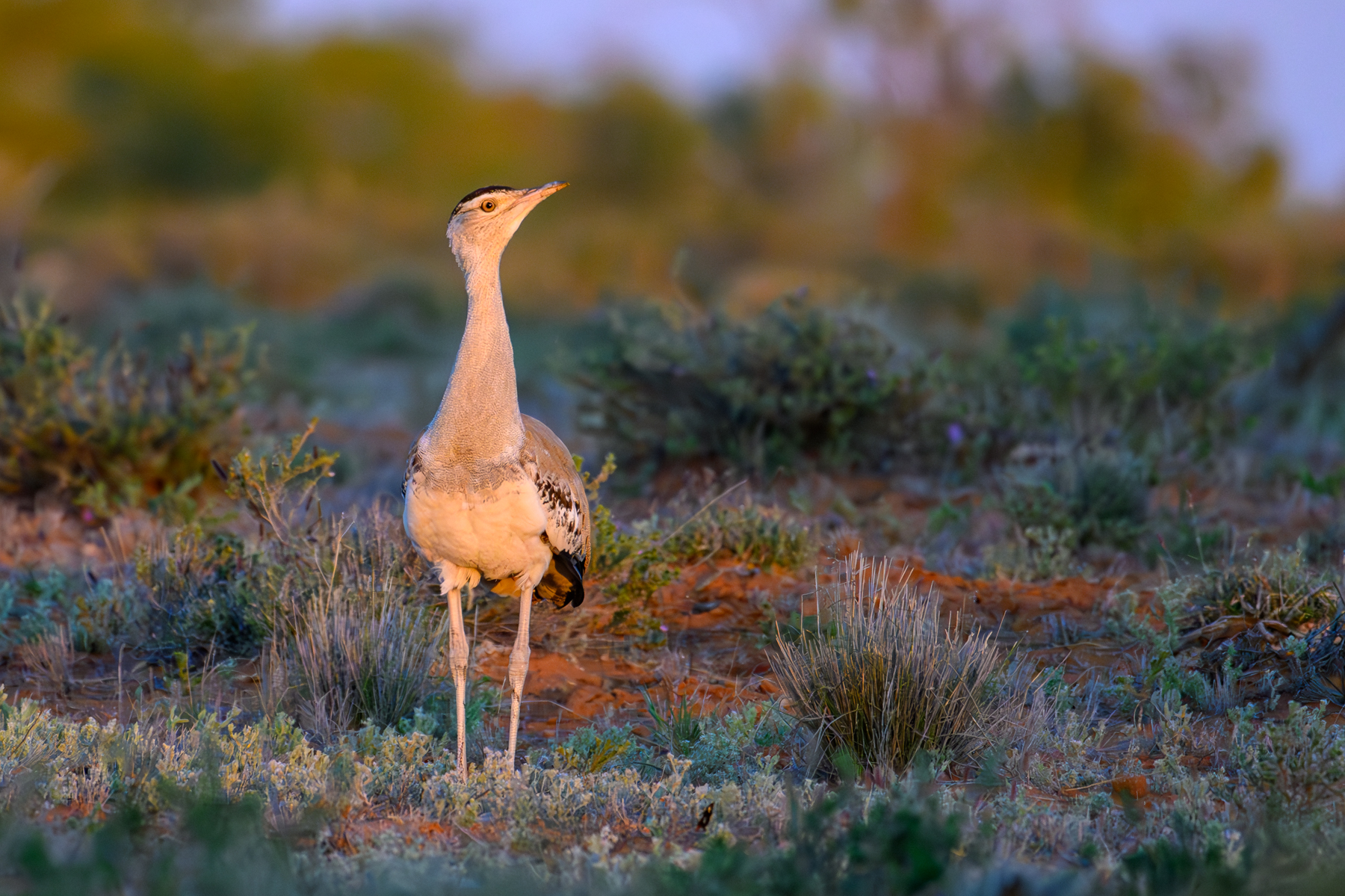
Australian Bustard
In the south of Australia, Australian Bustards tend to breed and/or lay eggs in the winter period. In the tropics however, breeding is dictated by heavy rain with breeding initiated at any time of year after rain. The Australian Bustard or Kawukawuni (as it is known in the Tiwi Islands) is a key species in the Kumunupunari (dry season) of the Tiwi Islands.
Australian Bustard - Mark Lethlean
Migration
Why do birds migrate?
Two of the reasons birds may migrate are the cooler temperatures and declines in food sources. The cooler climes of winter can cause food sources such as plants and invertebrates (who may go into hibernation) to decrease or even disappear, especially in snowy areas.
Migratory Shorebirds and Seabirds
Arriving to Australia in winter
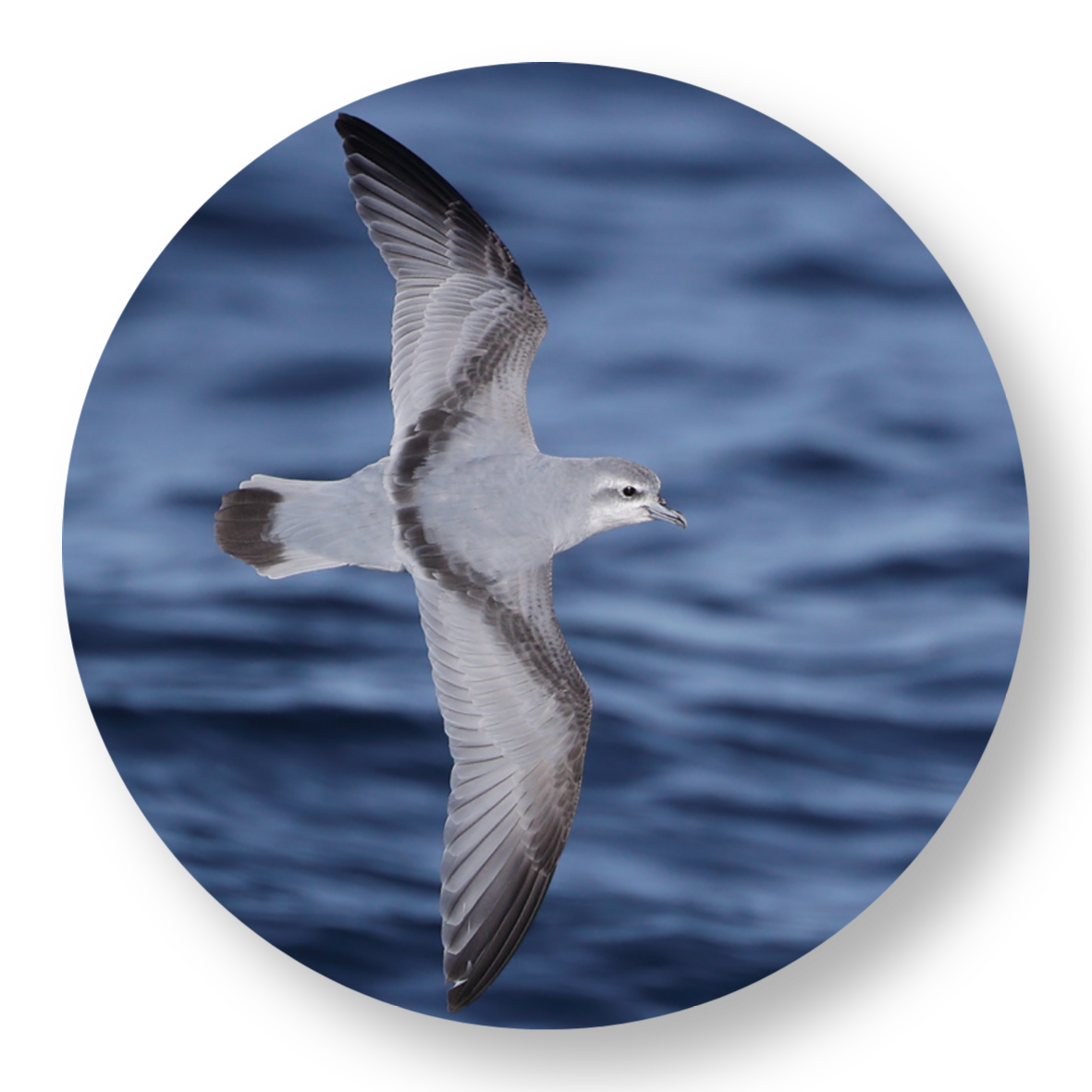
Fairy Prion - Ian Wilson
Fairy Prion
Theseseabirds are common winter visitors to the southeast coastal regions of Australia, heading north from sub-Antarctica. During this periodthey reestablish their plumage after their body-moult during the summer breeding season.
Staying in winter
Whilst most migratory birds have left Australia for their breeding seasons, travelling north via the East Asian–Australasian Flyway (EAAF), not all migratory shorebird leave.
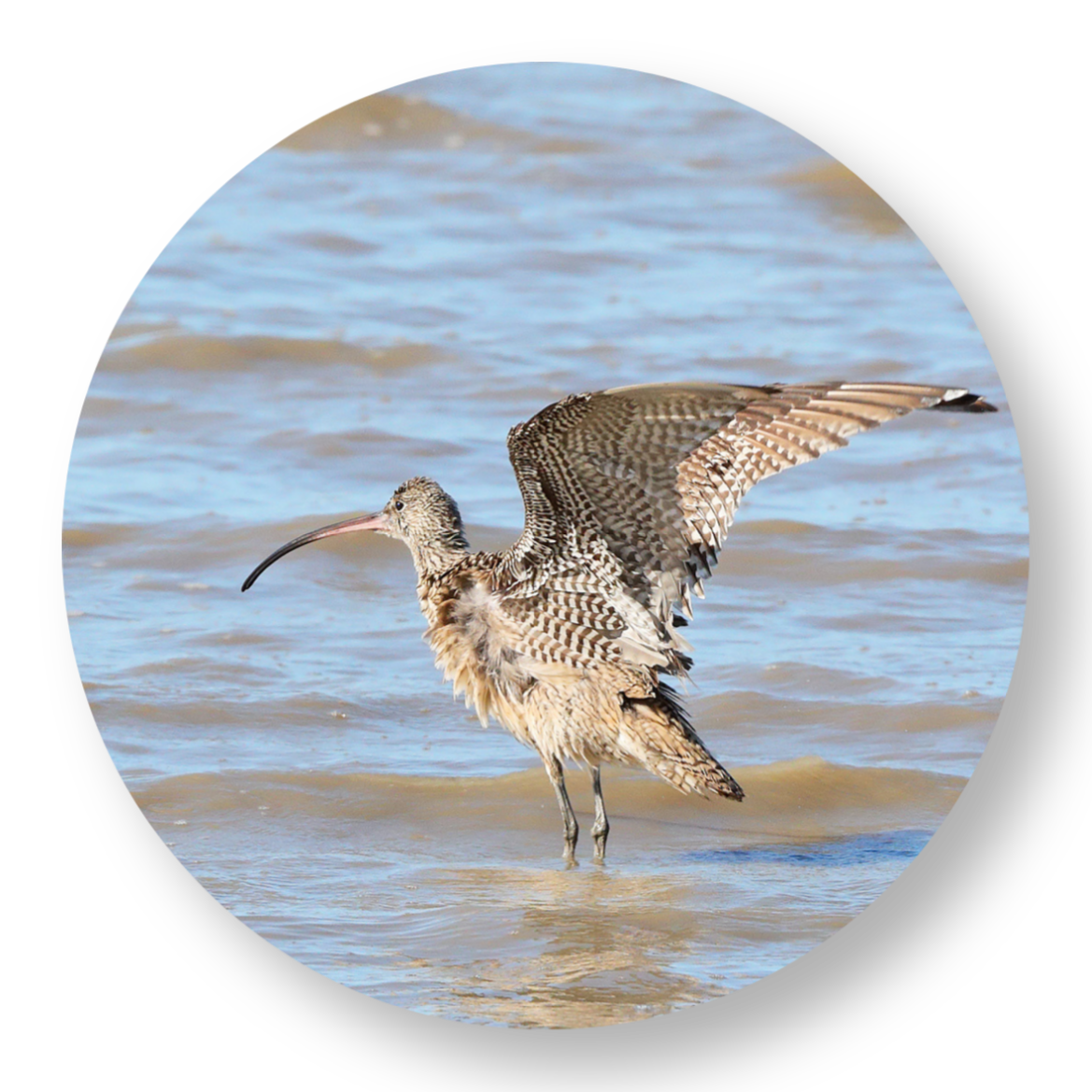
Far Eastern Curlew
Breeding adults migrate to their breeding grounds in China, Siberia, and Russia; however, many non-breeding individuals remain in Australia for the austral winter. Most of these birds tend to congregate around northern Australia yet can also be found along the east coast of Australia.
Far Eastern Curlew - Con Boekel
Australian Species Migration
As Australia’s climate is a lot milder and has less severe winters compared to the Northern Hemisphere, most Australian birds only migrate within Australia, and often no further than 1000km from their breeding territory. Across species though, there is much variation in migration patterns with some birds escaping the cooler climes by heading north, descending mountain tops into lowlands, moving from forested habitats to more open habitats, or following abundant food sources such as nectar trails.
Birds travelling North
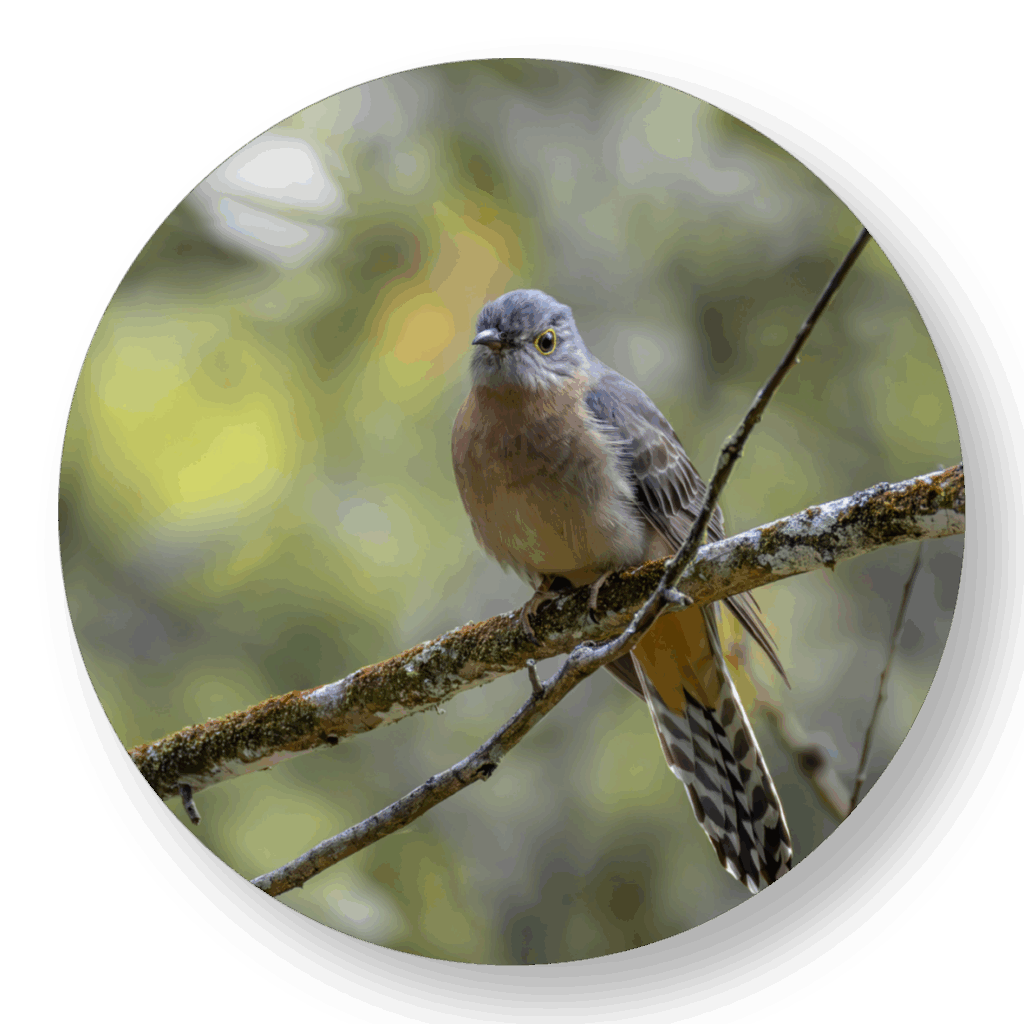
Fantail Cuckoos - are considered partially migratory with some birds moving north and inland during winter. Yet this is not consistent across all areas. In northern Queensland, Fant-tailed Cuckoos are considered a winter migrant, yet in southern Queensland it is not so clear. In NSW, ACT, and SA, many are winter visitors, whereas in VIC, they are late-winter visitors. In TAS, Fan-tailed Cuckoos mainly migrate north and breed in late winter. And in WA, most remain resident in the lower southwest region, yet many move north in winter for breeding with peak laying season in August.
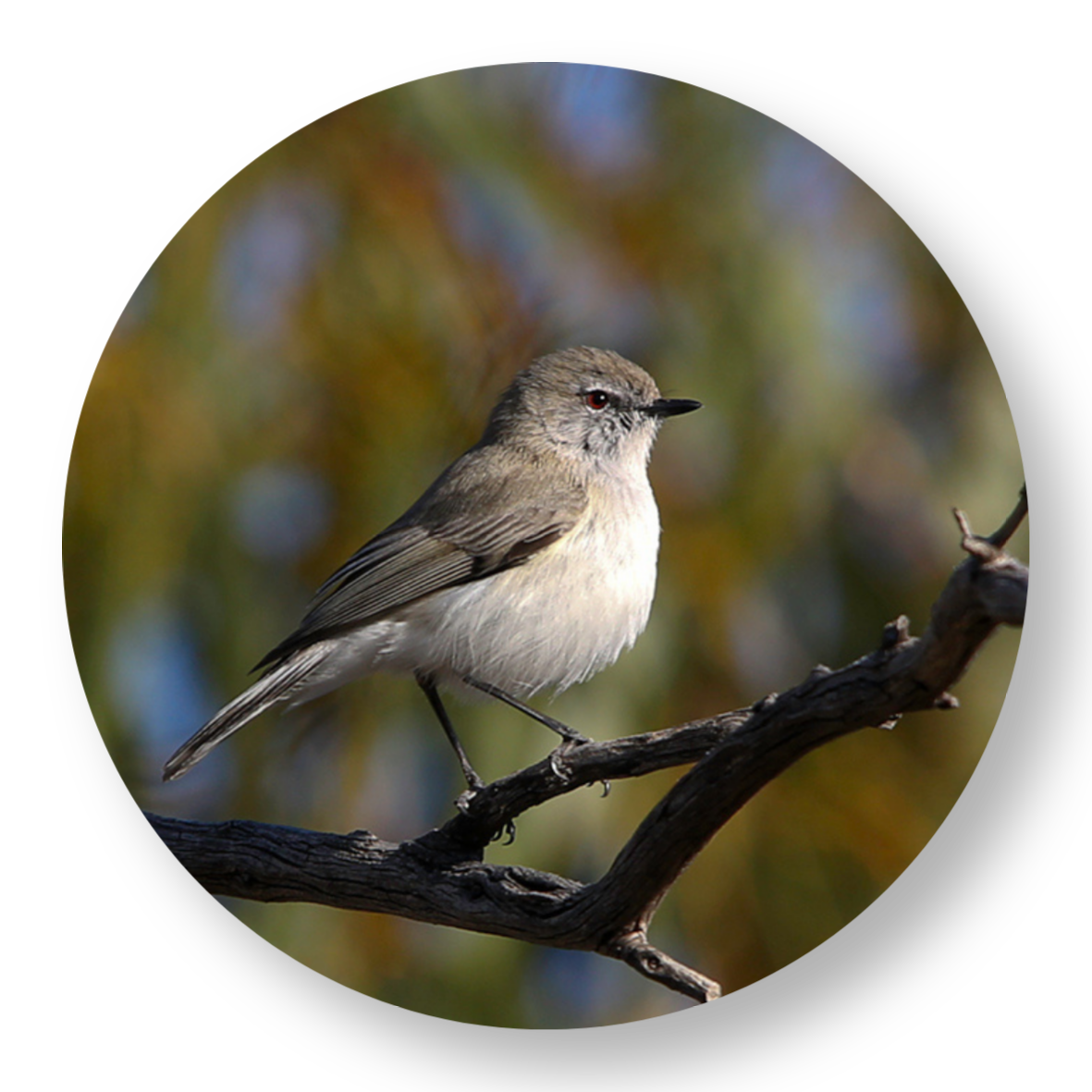
Brown Gerygones - like many other temperate south-eastern woodland species that breed in southwest WA such as White-winged Trillers, Hooded Robins, and various Whistler species, many Western Gerygones head north for their non-breeding season. This is not in response to cooler temperatures but for food sources. Western Gerygones are often less conspicuous through winter, where they sing much less often.
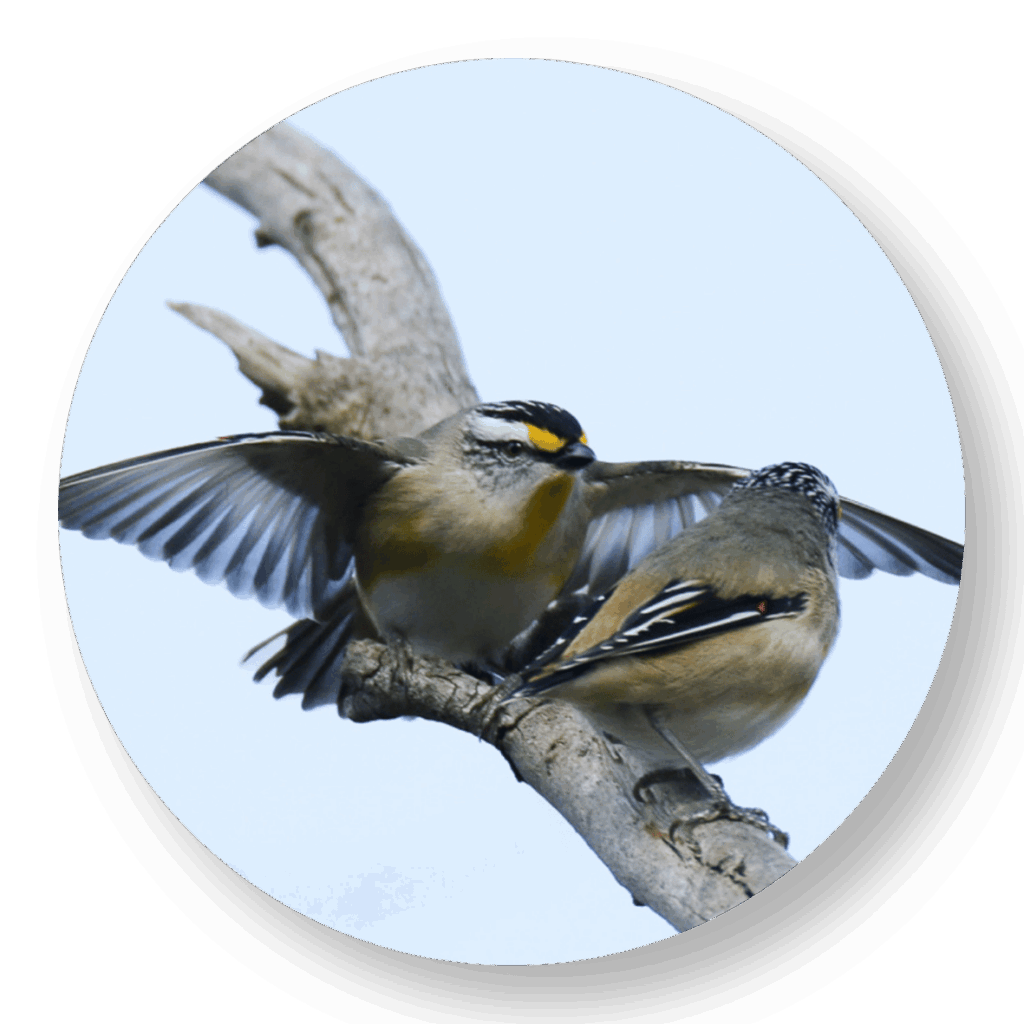
Striated Pardalotes - some populations of Striated Pardalotes are residents, yet most of the Tasmanian subspecies striatus migrate north during winter to spend time in either the Victorian lowlands, the Great Dividing Range, NSW or as far as southeast QLD. Some of the subspecies substriatus also migrate north and/or inland during winter. Large flocks are also often sighted during winter as the birds forage for food together.
Fan-tailed Cuckoo - Angela Farnsworth
Western Gerygone - Trevor Bullock
Striated Pardalote - Paul Duff
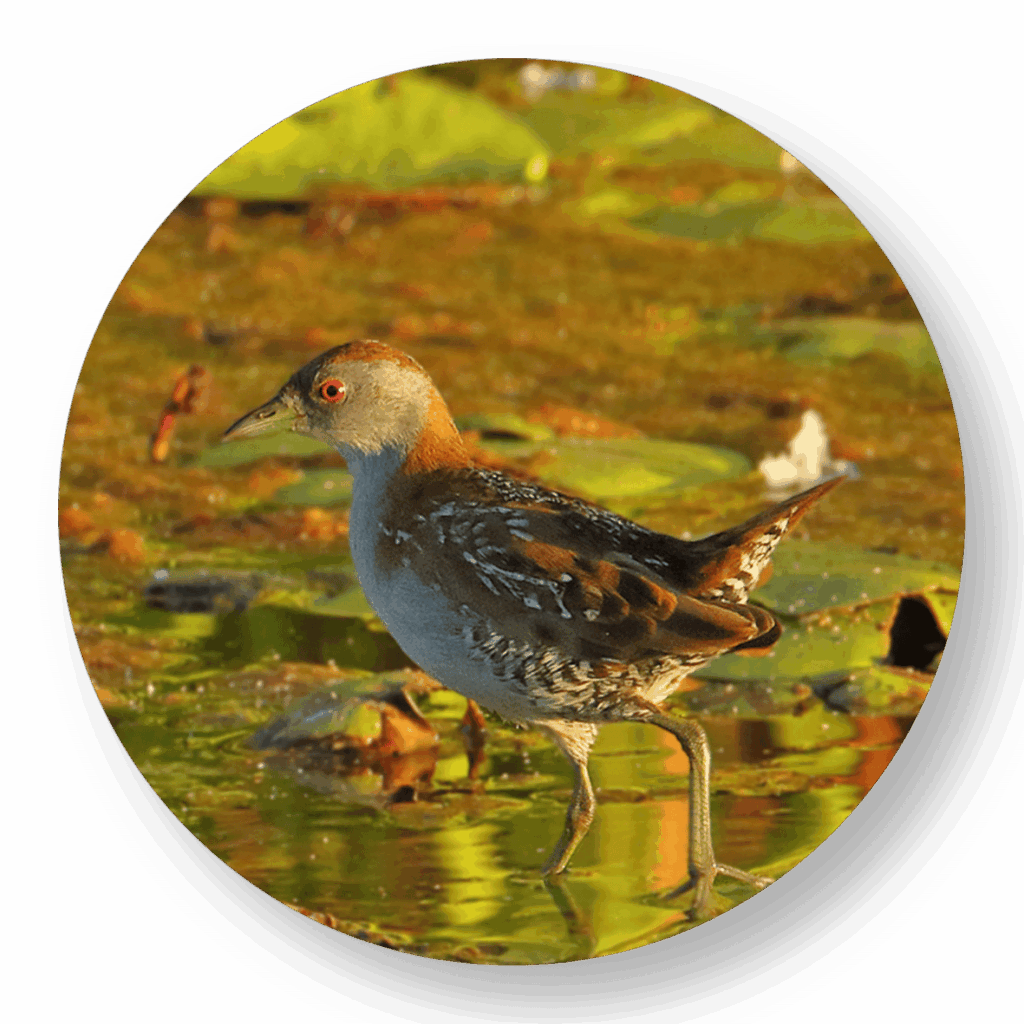
Baillon’s Crake - is presumed migratory, heading north for winter yet as it does not call in winter, it is rather conspicuous.
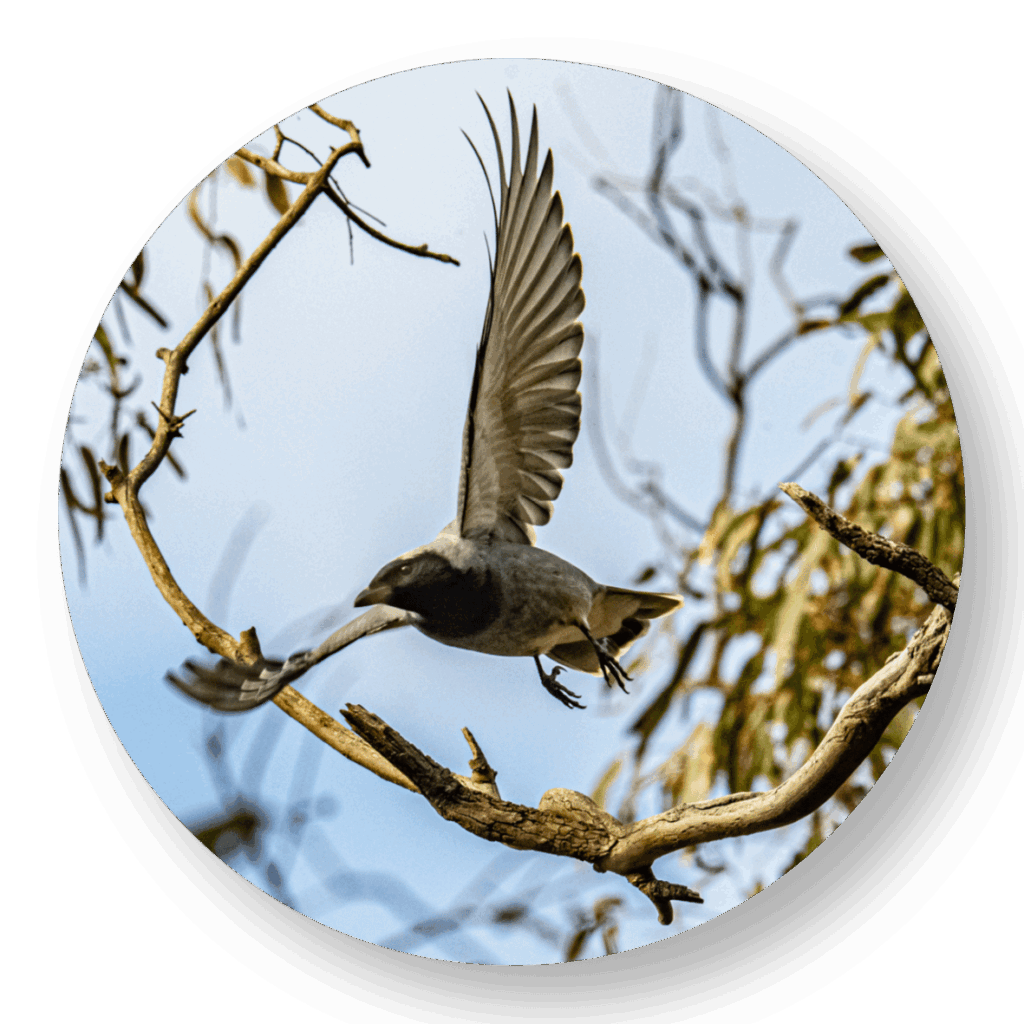
Black-faced Cuckoo-shrikes - many, but not all, head north for winter. Some Tasmanian populations even migrate across the Bass Strait, and some mainland populations get as far north as Papua New Guinea.
Baillon's Crake - Gary King
Black-faced Cuckoo-shrike - Michael Hamel-Green
Altitudinal migration
Many Australian bird populations choose to remain where they are latitudinally and instead migrate from high mountain tops to lower elevations in the cooler climes of winter.
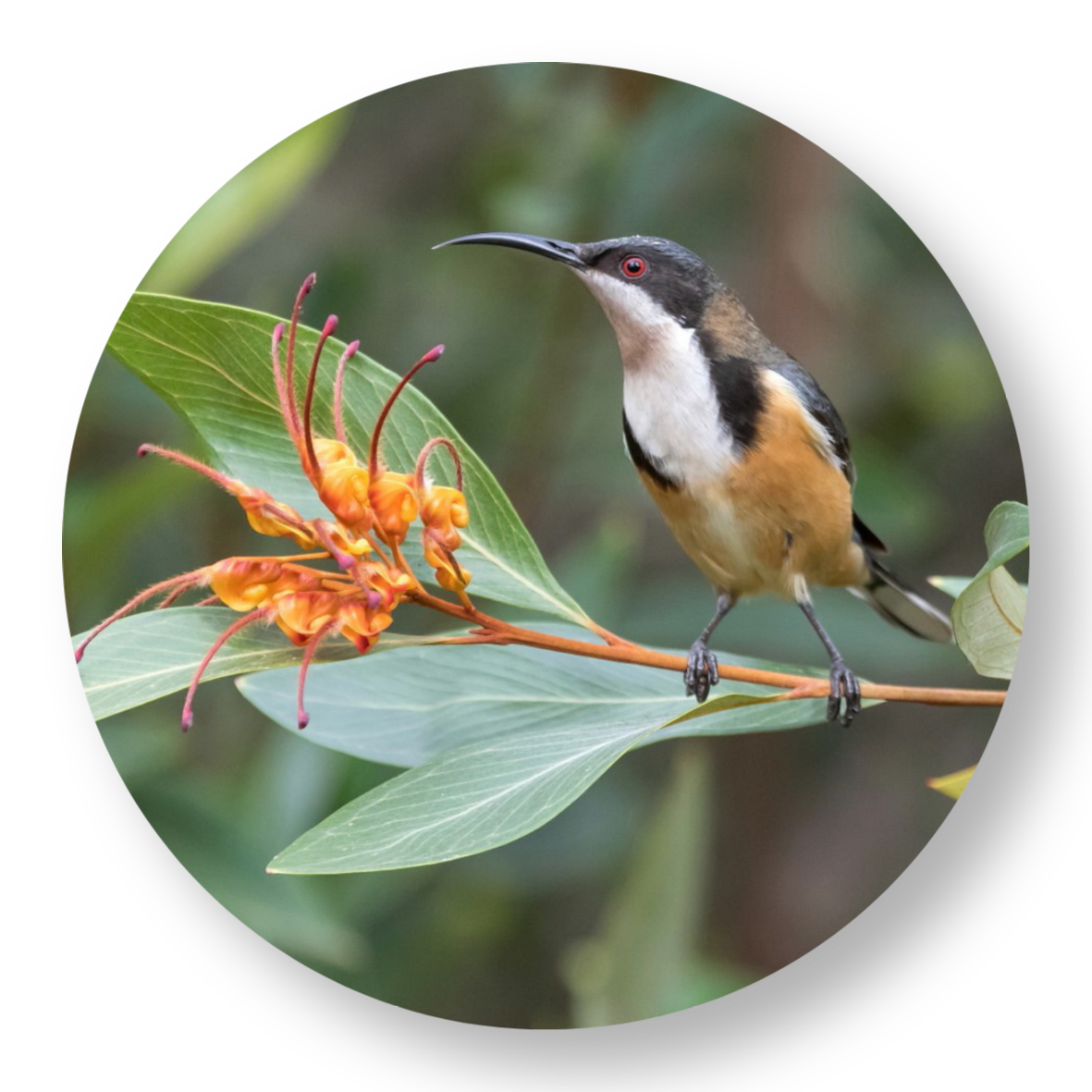
Eastern Spinebills- are another partial migratory species although its patterns are not well known and migration is specific to each region. For example, some migrate from the high country and spend their time in the lowlands of ACT and VIC. The Eastern Spinebill also has higher reporting rates in QLD during winter than summer, and some parts of NSW also have winter peaks.
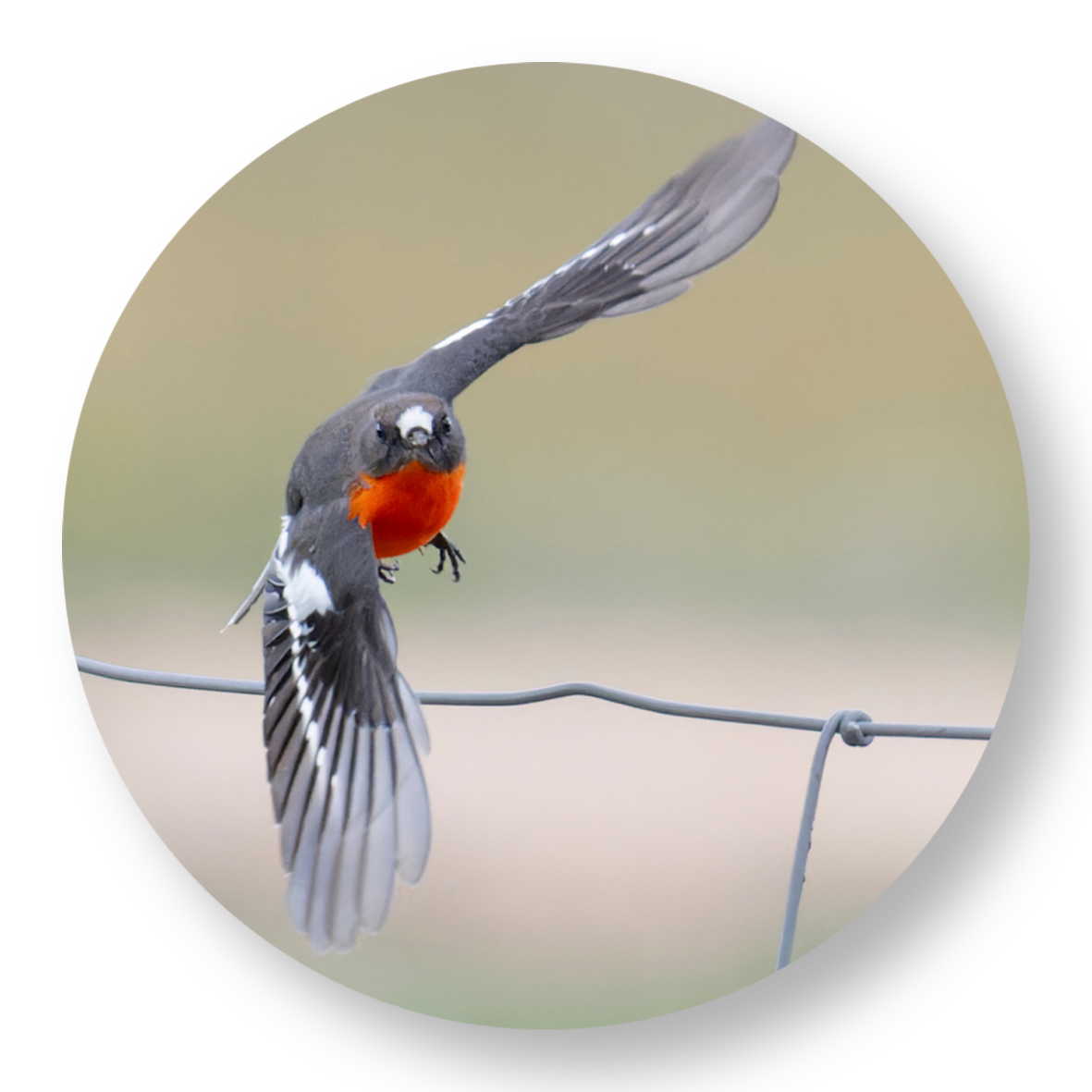
Flame Robins –during winter, the Flame Robin tends to migrate from higher forested climes to lower altitudes, congregating in foraging flocks dominated by female birds. During this period, they tend to use more open grassy areas including modified pastures and parklands, often making them more conspicuous.
Eastern Spinebill - John Eley
Flame Robin - Phil Marley
From wet to dry
Pied Currawong
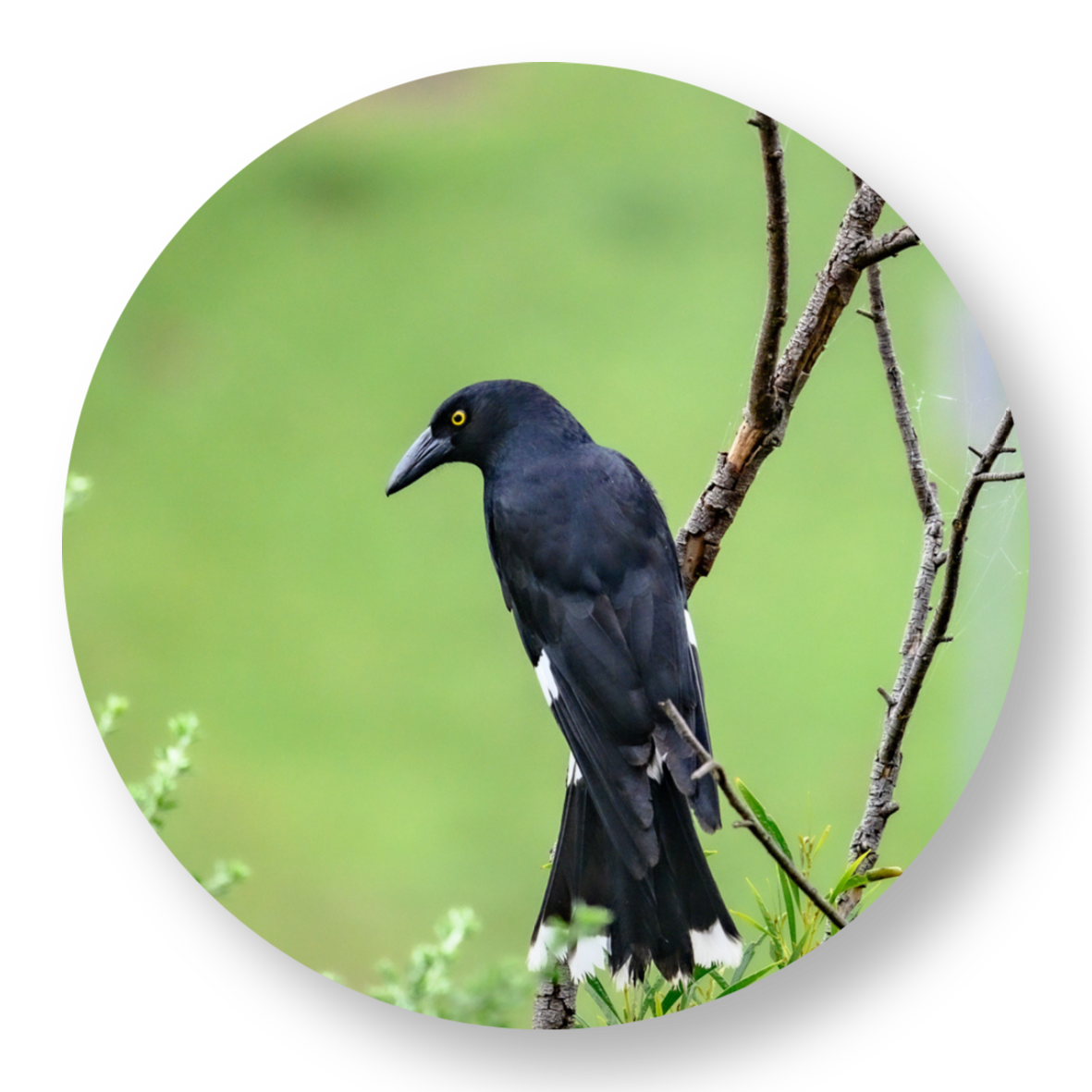
Pied Currawongs tend to move out of wet mountain forests into more open and dry lowlands during winter. Often during this period, they also flock together, making them more conspicuous.
Pied Currawong - Michael Hamel-Green
Flocking inland
Hooded Plovers
During winter, Hooded Plovers typically form foraging flocks (often up to several hundred) and sometimes move inland to salt lakes behind beaches.
Hooded Plover – Chris Young
White-naped Honeyeaters
Eastern populations are known to wander inland in flocks as far as the Pilliga down to Barham regions during winter.
Following Food Sources
Satin Bowerbirds
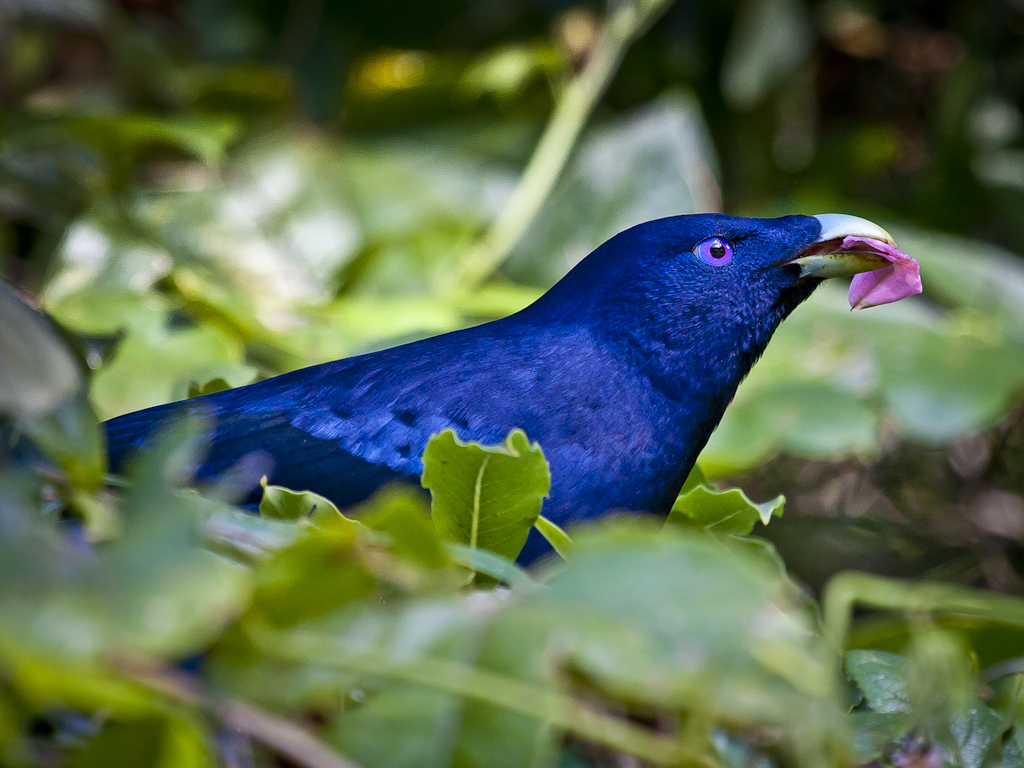
Outside of their display and breeding season, Satin Bowerbirds tend to move towards more open and modified habitats during autumn and winter for the lure of foraging in fruit trees (both native and exotic) and scavenging any other food scraps that may be available. It is also during this time that Satin Bowerbirds can be seen in small or large flocks often dominated by females. Whilst most Satin Bowerbirds are relatively sedentary, it is thought that many descend from higher ranges to lower areas due to availability of food.
Satin Bowerbird - Ray Chatterton
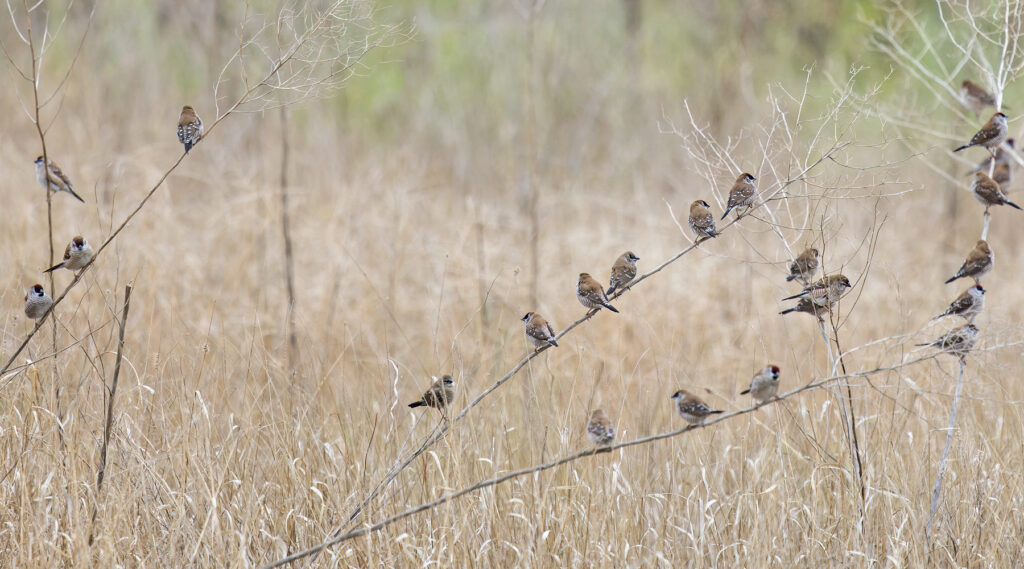
Plum-headed Finches
Plum-headed Finches show some evidence of moving north in winter however they are quite dispersive and can be irruptive where there are abundant grass seeds around.
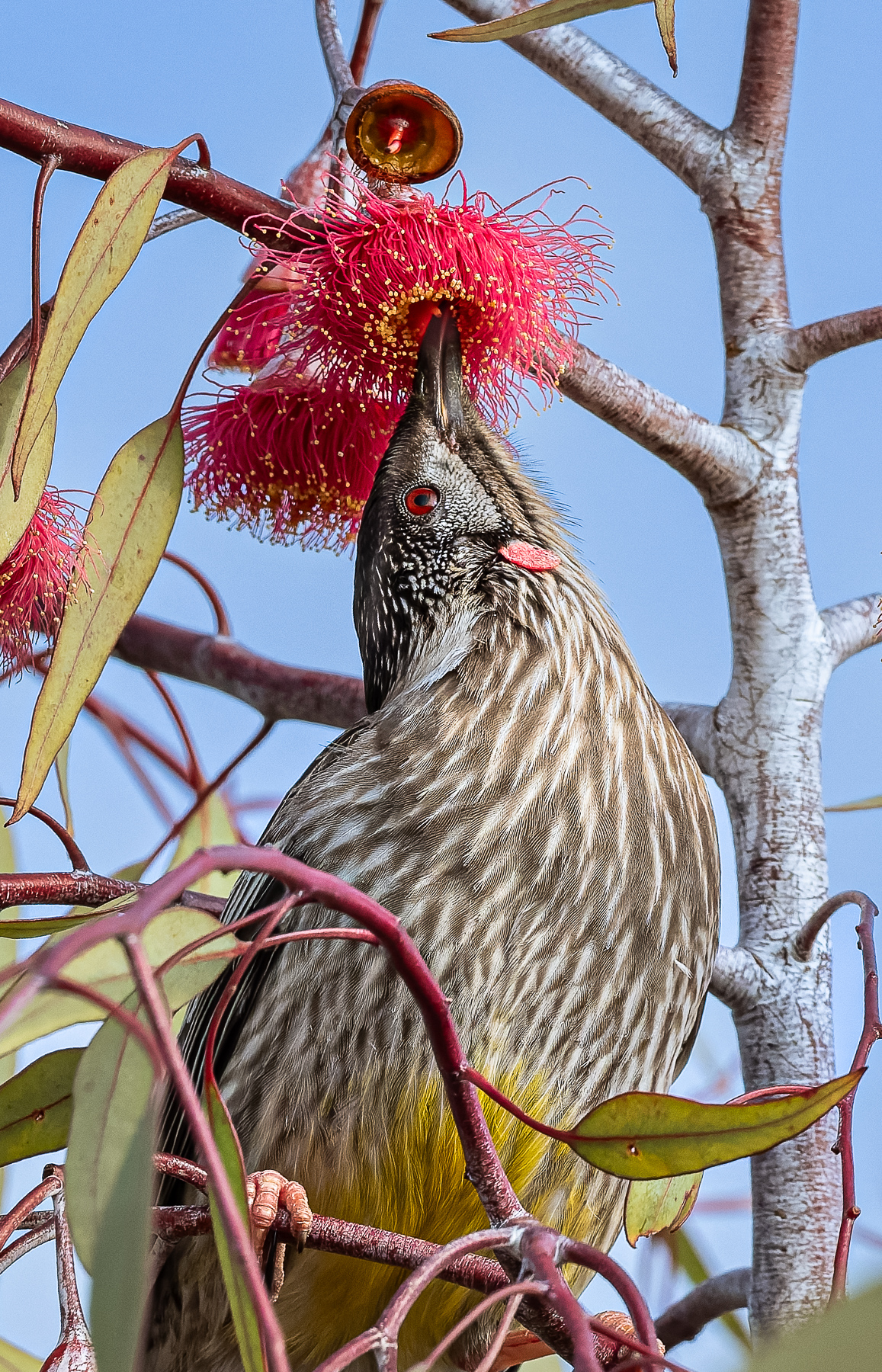
Red Wattlebird - Michael Hamel-Green
Red Wattlebirds
Whilst mainly considered a sedentary species, there are many movements recorded of the Red Wattlebird during winter with some evidence of inland movements and altitudinal movements downwards from the high country. Movements though, are often motivated by the availability of flowering nectar plants such as eucalypts, banksias, and honeydew under Manna Gum bark. In south-west WA, thousands have been sighted flocking together over such nectar resources.
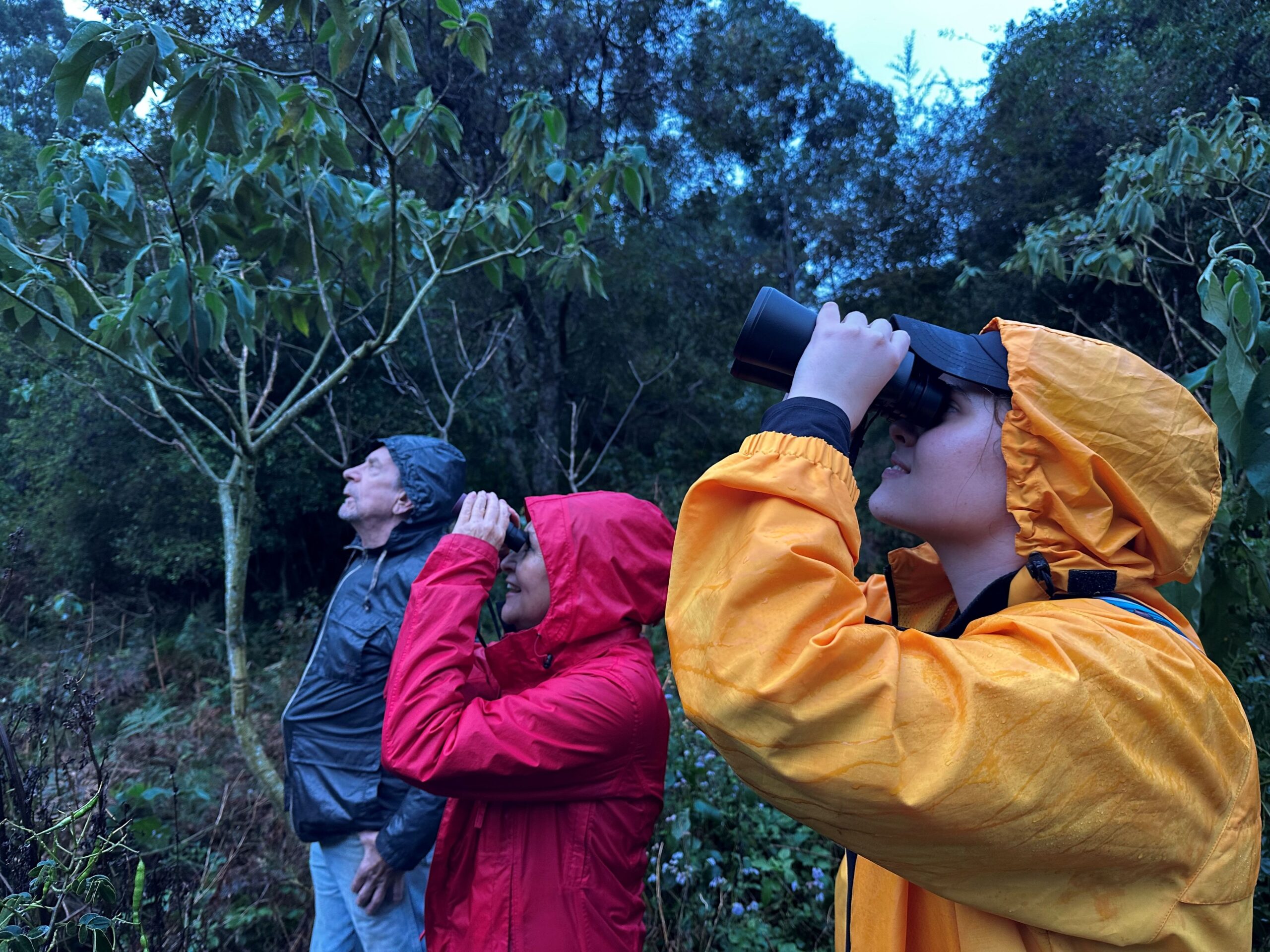
Ready to contribute to our understanding of birds? Get your binoculars out this winter!
It is clear that seasonal movements of birds within Australia, and often to and from Australia, are complex. Many species’ movements are under-researched and are changing as our climate changes. This is why Birdata is an essential resource that helps to capture some of this seasonal diversity, migratory patterns, and changes in populations over time. Each time high quality data collected across Australia by experts and citizen scientists are entered into Birdata, more pieces of the puzzle are connected. Whilst winter may be cooler in your neck of the woods, it doesn’t necessarily equate to less bird activity. So, grab your coat, some binoculars, and start logging the birds (and their behaviour) you see around you. You might be surprised with some active foraging flocks, some new species visiting your area, or even some breeding behaviour.
Happy birding!
Want to log a bird survey in Birdata?
Learn more about how to log a bird survey in Birdata by enrolling in our free Birdata Basics and Beyond online course. Alternatively, check out our free downloadable resources here.