Black Swan, Little Egret, Pied Stilt, Silver Gull – Michael Hamel-Green
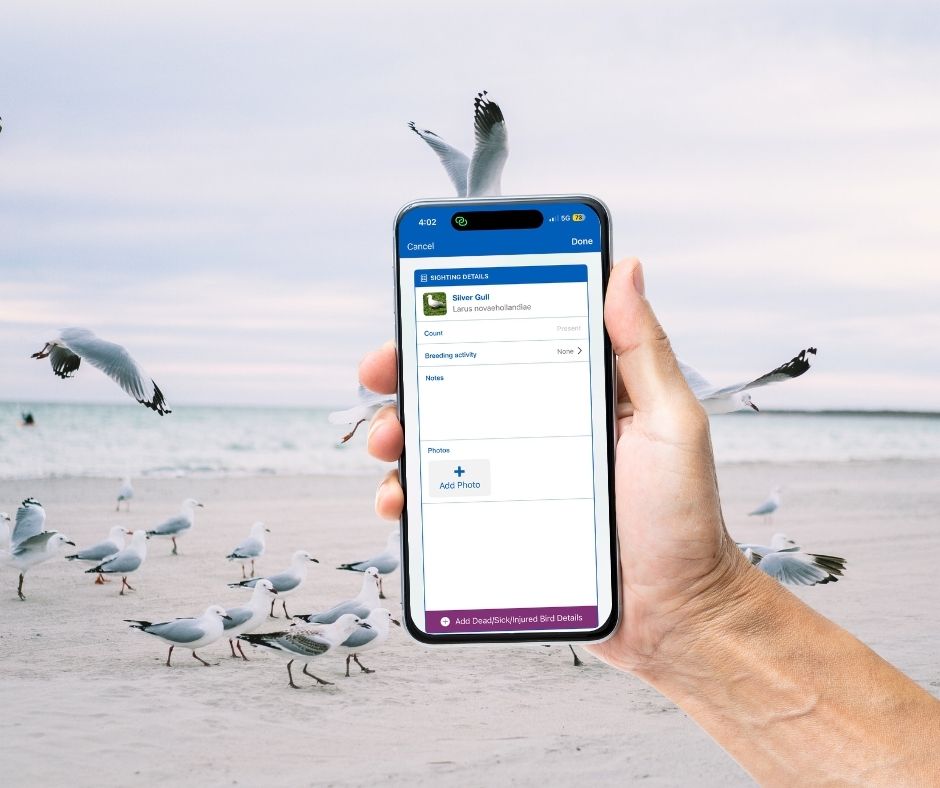
Log sick, injured, or dead birds with Birdata’s new Bird Impact Tracker (BIT) feature
Emma Hawthorne
Log sick, injured, or dead birds with Birdata’s new Bird Impact Tracker (BIT) feature
Emma Hawthorne
The Bird Impact Tracker: a way to track the birds you love
Have you ever been surveying and come across a sick, injured, or dead bird and wondered what to do with this information? With Birdata’s newest feature, the Bird Impact Tracker (BIT), you can now record these observations and help track the fate of the birds you love. Australia’s birds are facing increasing pressure from multiple threats, and it is essential for scientists, conservationists, and land managers to understand the extent and impact of these challenges. The BIT feature is a forward-thinking analytical tool that will be critical in supporting futureconservation actions.
What kind of sicknesses, injuries, and deaths can be entered into the BIT feature?
The BIT feature has been funded by the Australian Government as part of a project to help preparedness efforts for avian influenza – H5 bird flu. This will play a pivotal role in tracking the impact of the impending H5 bird flu, supporting management decisions and helping to recover bird populations.
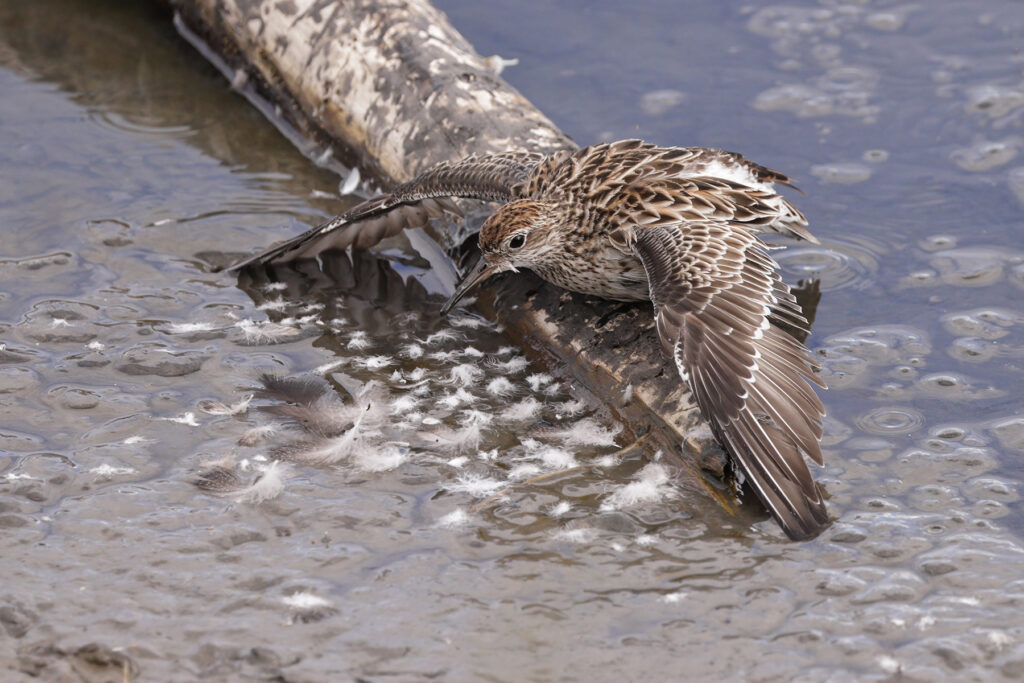
Tim Van Leeuwen - unwell Sharp-tailed Sandpiper
The BIT tool, however, has also been designed to track otherfactors that impactbirds
including (but not limited to):
Disease
Car Strike
Window Strike
Entanglement
Predator attack (including pets)
Some of these causes might be quiteclear, e.g. finding an injured, dead bird in the middle of the road is a pretty good indicator of a car strike. However, if a bird is decomposed or has several injuries, you canselect‘Unknown’ and even enter an ‘Unidentifiable dead bird’.
Forsick birds, which are often difficult to diagnose,you can enter symptomsincluding (but not limited to):
Inability to fly
Inability to stand or walk
Unsteady or unusual movements
Wounds or trauma
Breathing difficulties
Ruffled feathers
Dull eyes
Logging H5 bird flu
If a bird has an unusual illness and is showing neurological symptoms such as tremors, lack of coordination, or a twisted neck, this could be a sign of H5 bird flu.Another indicationis sudden death, or clusters of multiple dead birds. For any suspected cases of H5 bird flu, it is imperative that you follow the H5 bird flu response protocols:Avoid, Record, Report.H5 bird flu is highly contagious, untreatable, and can impactthe health of not only birds but other wildlife, domestic animals, and humans.
Whilst we encourage you to record suspected cases into Birdata to support H5 bird flu tracking, as H5 bird flu is a ‘disease of national significance’, there is also a legal requirement that all suspected observations of H5 bird flu are reported to the Emergency Disease Hotlineon 1800 675 888.
It is important to note that the BIT feature is an analytical tool and not a tool to report directly to wildlife carers, veterinarians, or wildlife disease hotlines.The app will, however, prompt you, on submittingyour sighting/survey, to take further action such as seeking advice from a wildlife carer, veterinarian, or the Emergency Disease Hotline.
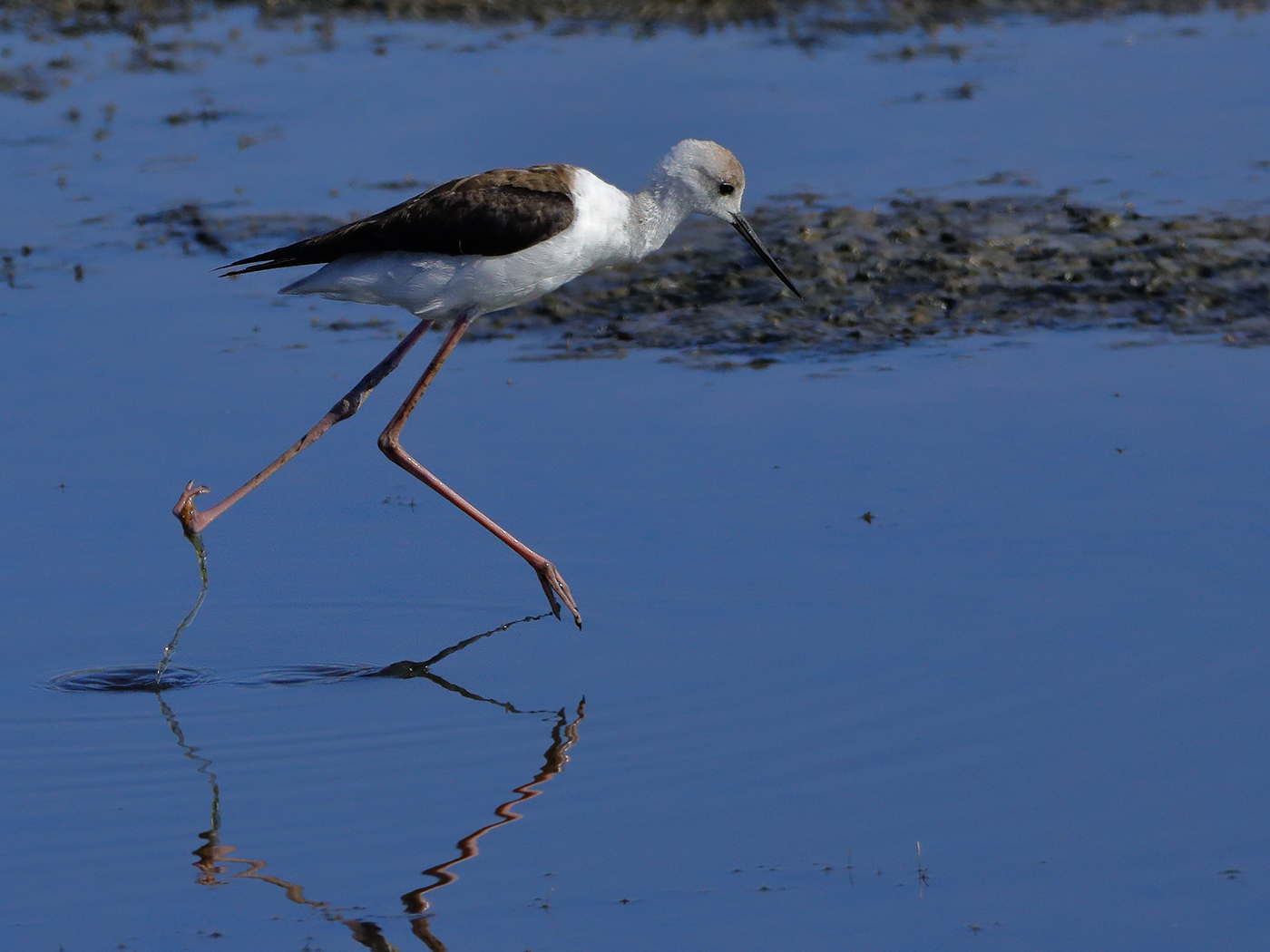
Pied Stilt - Tim Van Leeuwen
How to use the BIT feature
When using the BIT feature, Birdata is not asking users to seek out sick, injured, or dead birds but to log any sightings they come across within their Birdata surveys. This ensures data collected is less biased and is incorporated into all types ofBirdata surveys. You can follow a step-by-step guide here.
Birdata is supporting preparedness for H5 bird flu
Birdata has also helped to inform the Bird Aggregations database on the AviFlu Map, another analytical tool designed to support preparedness and planning for H5 bird flu.
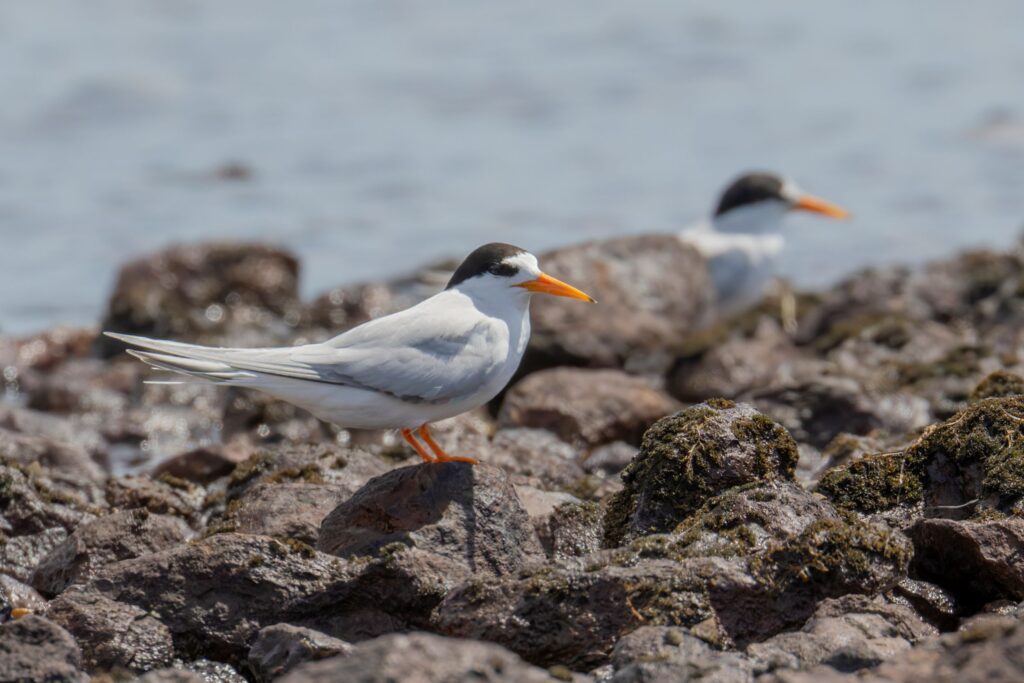
Image: Phil Marley – Fairy Tern. The Fairy Tern, a threatened species on the IUCN Red List and member of the Laridae family receives a 0.88 HPAI susceptibility score through the AviFluMap tool. Species with a predicted HPAI susceptibility score of over 0.8 are considered highly susceptible to H5 bird flu. Deakin University et al, 2025.
The AviFlu Map shows where large populations of shorebird, waterbird and seabird species live within Australia and the species that are susceptible to infection. This enables site managers to predicthigh risk locations and be better prepared.
With the arrival of H5 bird flu imminent, we all need to be prepared as we face possible cases of mass mortality across the continent. Rather than shying away from this uncomfortable idea, we can feel empowered in knowing that the data we collect will help support recovery efforts. Everyone has a shared responsibility to care for Australia’s birds. Beyond playing vital roles in our ecosystems, they hold deep cultural significance for many Australians.
As Tanya Loos, BirdLife Australia’s Avian Influenza Response Coordinator says, to help support birds today,
“Track the fate of the birds you love”.
Want to learn more?
To log a bird sighting or survey in Birdata, download the app or head to birdata.birdlife.org.au. To take your skills to the next level, enrol in Birdata’s new eLearning course: Birdata Basics and Beyond: Make your birding count. For more information on H5 bird flu visit H5N1 Avian Influenza – BirdLife Australia.