

Monitoring birds alongside restoration
Birds can be great indicators of ecosystem health, and whilst many birds use degraded habitats, monitoring species composition changes and any breeding events over time as habitat restores can provide more insight into the health of the restoring ecosystem.
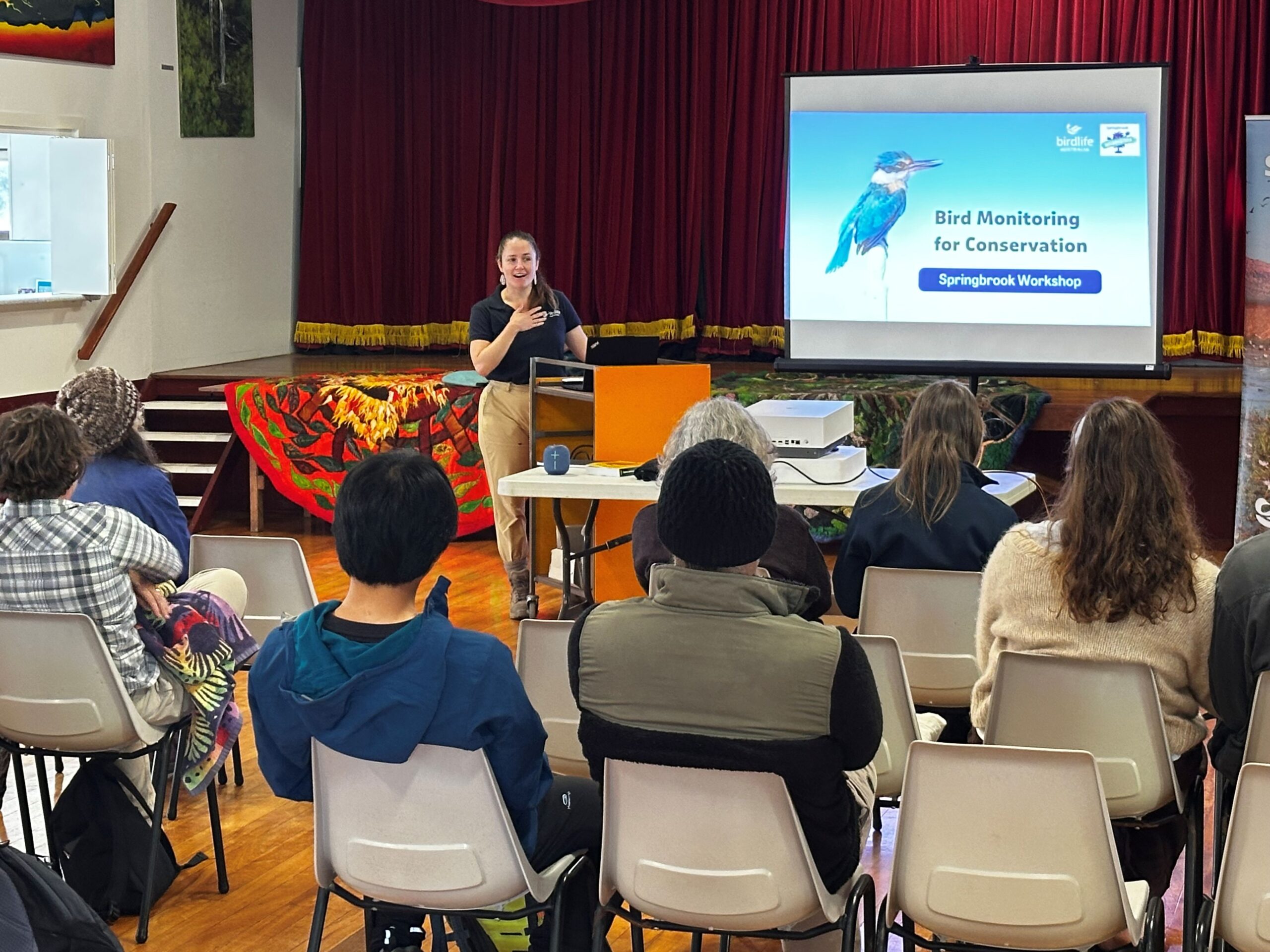
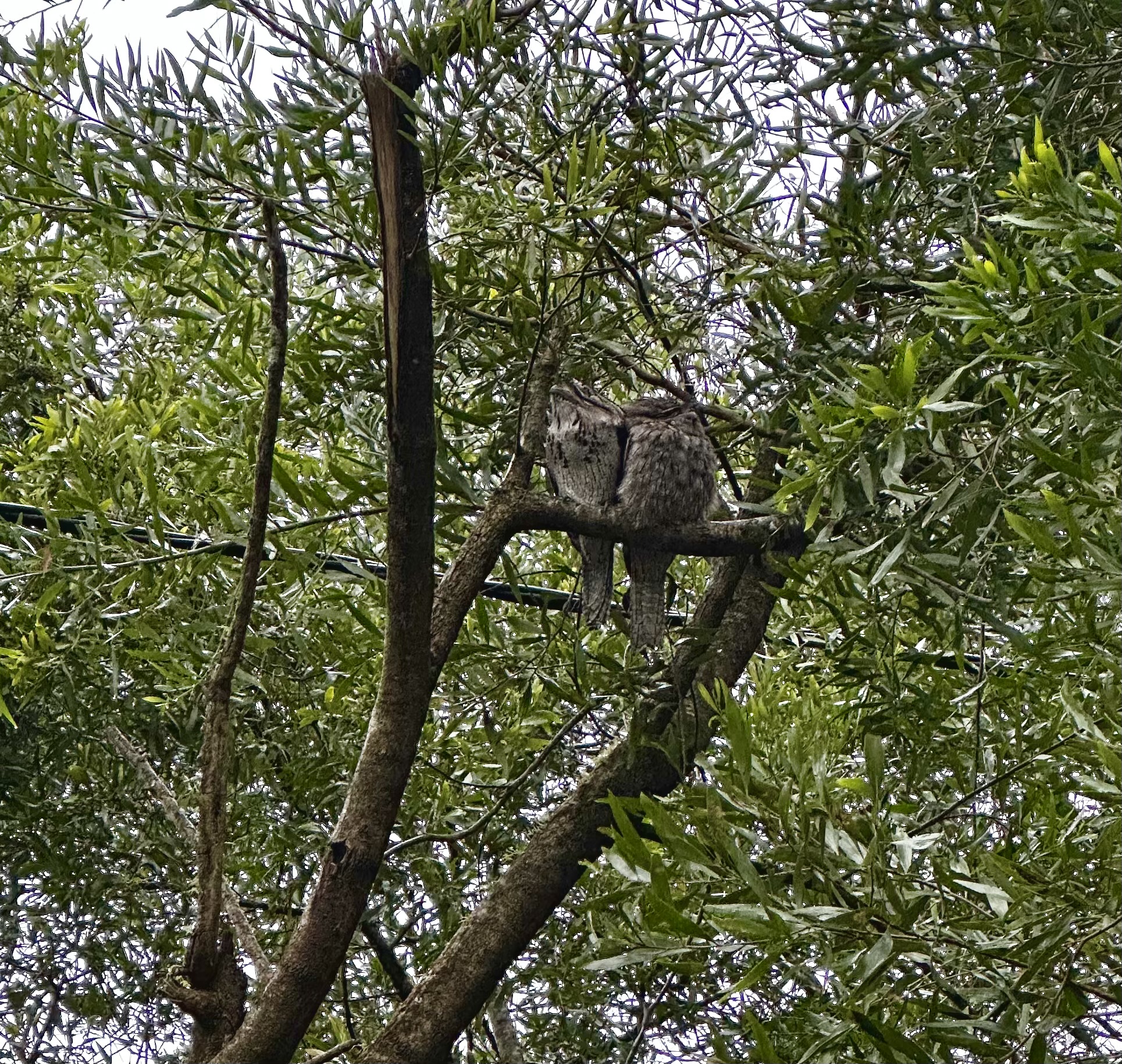
In late May, Birdata’s Engagement Officer, Emma Hawthorne, hosted a community workshop in collaboration with Springbrook Weed Busters land care group to support bird monitoring alongside local habitat restoration efforts. The workshop involved a presentation by Birdata, bird identification tips, afternoon tea and bird surveys in Springbrook National Park. Whilst it was a wet afternoon, the team braved the rain and spirits were uplifted at the sight of the many bird species out in the rain including a pair of Tawny Frogmouths nestled together in a tree.
In this workshop, participants learnt about:
- Birdata: BirdLife Australia's nation-wide bird monitoring platform
- How to conduct standardised bird surveys
- How to create bird species lists for specific areas through Birdata's Explore feature
- Key Biodiversity Areas within Springbrook National Park
- How to monitor bird species compositions over time alongside the Springbrook Weed Busters restoration site
- Bird identification tips from local bird specialist, Melissa Whitby
- Bird survey tips to ensure consistency and accuracy
Long-term monitoring of birds at Springbrook Restoration Site
The Springbrook Weed Busters are currently restoring a wet sclerophyll ecosystem. It is an ecosystem of concern, dominated by Eucalyptus saligna or E. grandis. Within this ecosystem there are also some threatened species such as the Long-leaved Tuckeroo (Cupaniopsis newmanii). Prior to their site preparation and first plantings in early 2025, the area had a strong agricultural legacy and was dominated mainly by weeds, especially Wild Tobacco (Solanum mauritianum).
To monitor changes in bird species compositions over time at the site, the group will conduct monthly standardised surveys at four 2ha sites:
- Restoration
- Control
- 30yr Regrowth
- Remnant wet sclerophyll
By using the 2ha, 20 min area search methodology, surveys will be comparable in area and time, making it easier to monitor changes over time with the first year of surveys providing baseline data. Having sites outside of the restoration area is important for comparing site health over time. The control site, a similar weed dominated field will act as evidence for what happens if no regeneration and/or restoration is undertaken. The 30yr regrowth site and remnant ecosystem site, however, will provide glimpses into what species might be seen using the recovering ecosystem over time and how the restoration site is faring in comparison.
Two other bird ecosystem health indicators will also be noted during surveys. This includes evidence of breeding and seed dispersal. Birds do use degraded habitat and restoration sites, yet not all habitat is adequate for breeding. Similarly, birds are integral to the spread of seeds and evidence of this will be important in ensuring the forest will be self-sustaining in the future.
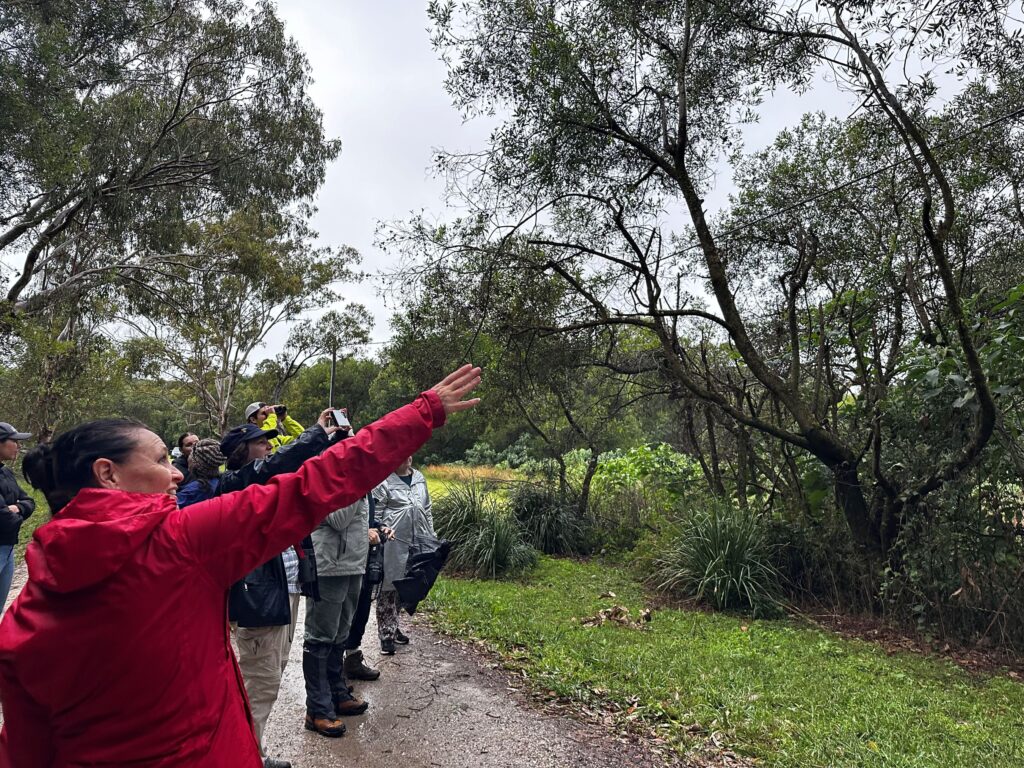
To see any changes in birds over time will take many years and will require long-term monitoring. Yet setting up bird monitoring alongside community restoration also has the added benefits of local community engagement. Over time, participants can improve their bird knowledge, bird identification skills, connect with nature, and know that they are birding with a purpose.
Whilst a fully recovered forest might take hundreds of years, as the Chinese Proverb goes, “the best time to plant a tree was 20 years ago, the second best time is now.” You could also apply this to birds:
“The best time to monitor birds was 20 years ago, the second best time is now.”
Keep in touch for upcoming events online and in-person coming soon
If you or a group you are involved in are interested in workshops or have an idea for a Birdata workshop, please reach out to birdata@birdlife.org.au.